
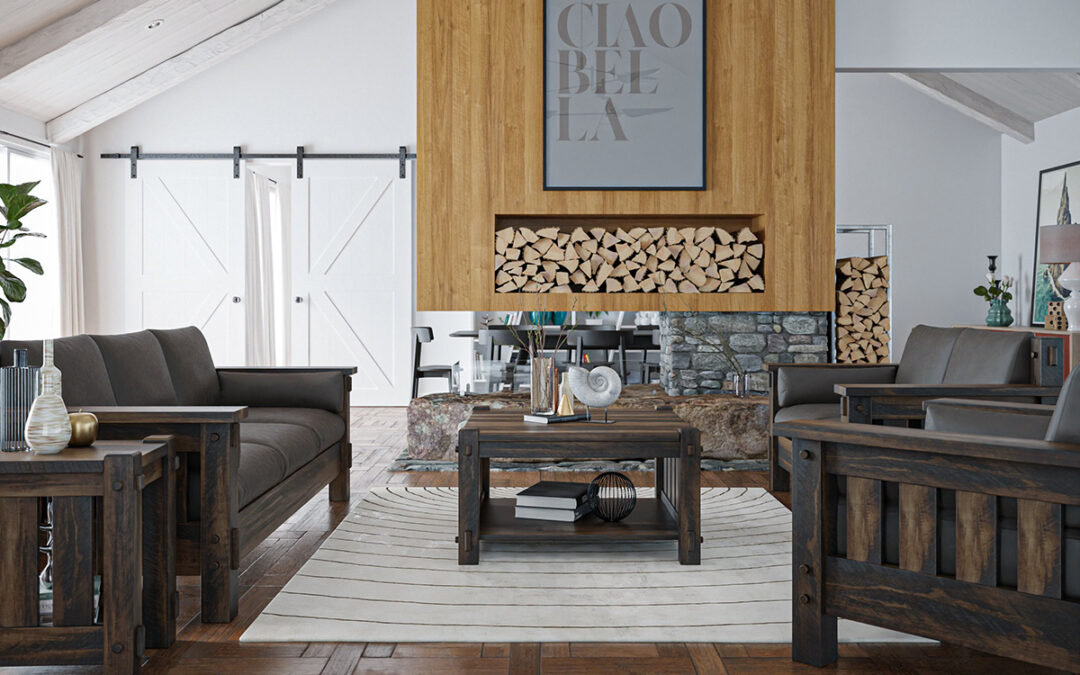
If you’ve ever wondered what fits your home better when it comes to Mission vs. Shaker furniture, you’re not alone. You might even have asked, “Is Mission furniture the same as Shaker?” These styles are hallmarks of Amish craftsmanship, but their looks, histories, and design philosophies are surprisingly different.
As many Amish families move away from farming, they have entered the furniture industry. Furniture building allows them to keep the same simple, family-centered life that farming once supported. Across the Midwest, Amish craftsmen run small shops that build high-quality, solid-wood furniture.
Over time, they have developed a unique niche. Amish builders often borrow and refine furniture styles that match their values and aesthetic. While they now produce many styles, Mission and Shaker furniture align especially well with Amish craftsmanship.
The Quick Difference
Mission and Shaker furniture both emphasize craftsmanship and simple design, but they look different. Mission furniture tends to appear heavier and often highlights oak grain, while Shaker furniture uses lighter proportions and focuses on clean, practical design.
Mission and Shaker endure as design styles because they are rooted in specific times and places and share similar characteristics. But you’ll notice throughout this article how many different ways those characteristics can be interpreted by today’s artisans, the Amish.
How to Spot the Difference Between Mission and Shaker Furniture
| Feature | Mission Furniture | Shaker Furniture |
| Origins | Arts and Crafts Movement (early 1900s) | Shaker religious communities (late 1700s) |
| Design Focus | Craftsmanship and natural wood grain | Simplicity and function |
| Visual Style | Heavy lines, rectangular slats, bold structure | Light proportions, clean lines |
| Common Woods | Often quartersawn white oak | Maple, cherry, oak, and other hardwoods |
| Hardware | Simple metal hardware, sometimes with black accents | Wooden knobs or simple pulls |
| Overall Feel | Solid, sturdy, substantial | Light, airy, minimalist |
Mission Furniture: A History of Craftsmanship
In the late 1800s, the Industrial Revolution changed the furniture industry. Middle-class homes began filling with cheap, mass-produced furniture. Wealthier families often bought Victorian pieces instead.
Victorian furniture was not one clear style. It blended many influences, including Rococo, Gothic, and Empire. Carpenters added scrollwork, curved legs, ornate materials, and complex patterns. The result often looked busy and heavily decorated.
The Arts and Crafts Movement of the early 1900s pushed back against both factory production and Victorian excess. Designers such as Charles Locke Eastlake in Britain and Gustav Stickley in New York promoted furniture that was simple, well-made, and centered on the craftsman’s skill.
Because this furniture resembled the architecture and furnishings of Spanish missions in California, people began calling it Mission style—even though it had little connection to those missions.
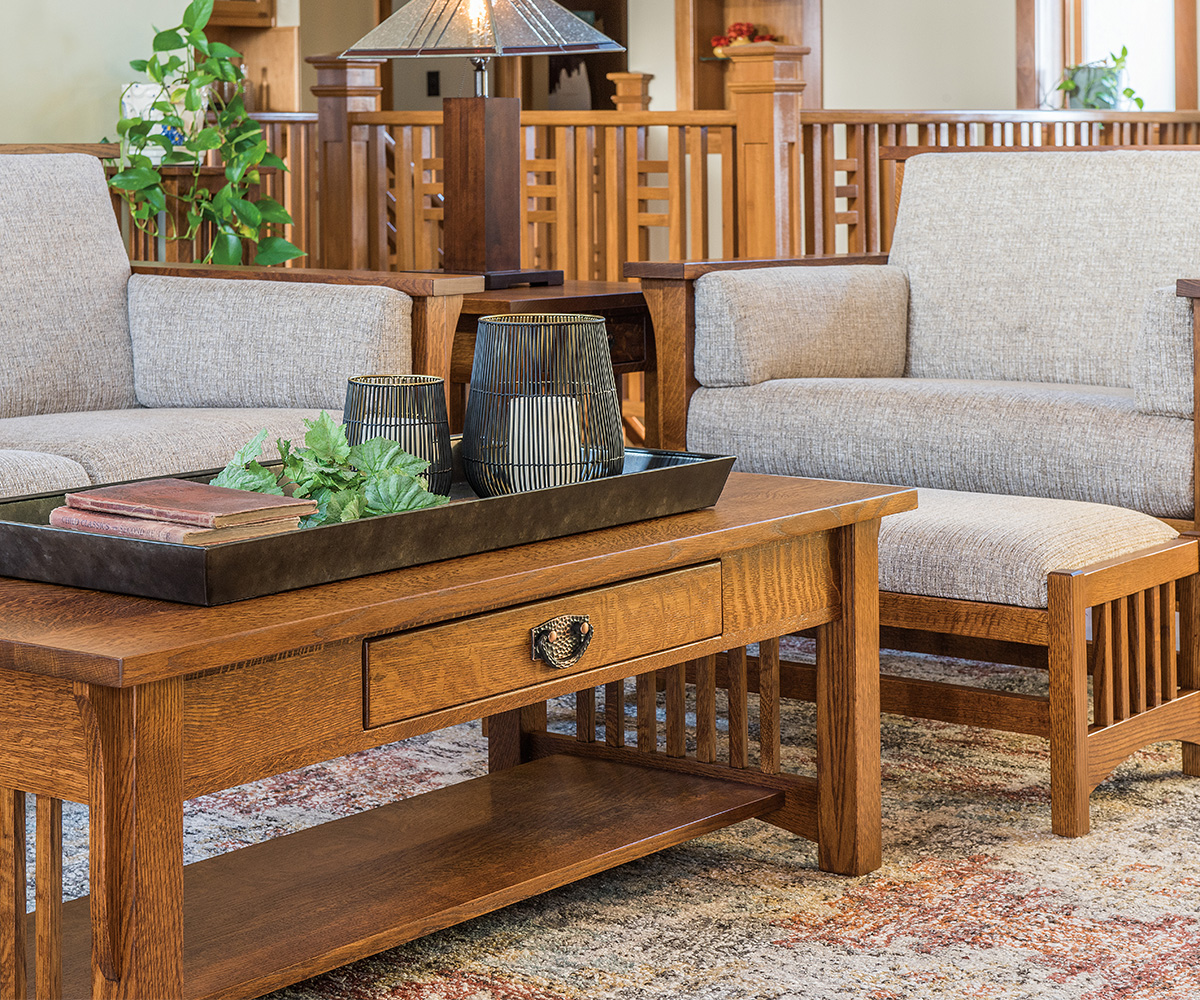
Eastlake and Stickley wanted to highlight the natural beauty of wood. They used flat surfaces and clean lines to do this. Mission sofas, for example, often include a broad ledge along the top. Builders avoided carvings, opting instead for rectangular slats and strong geometric shapes.
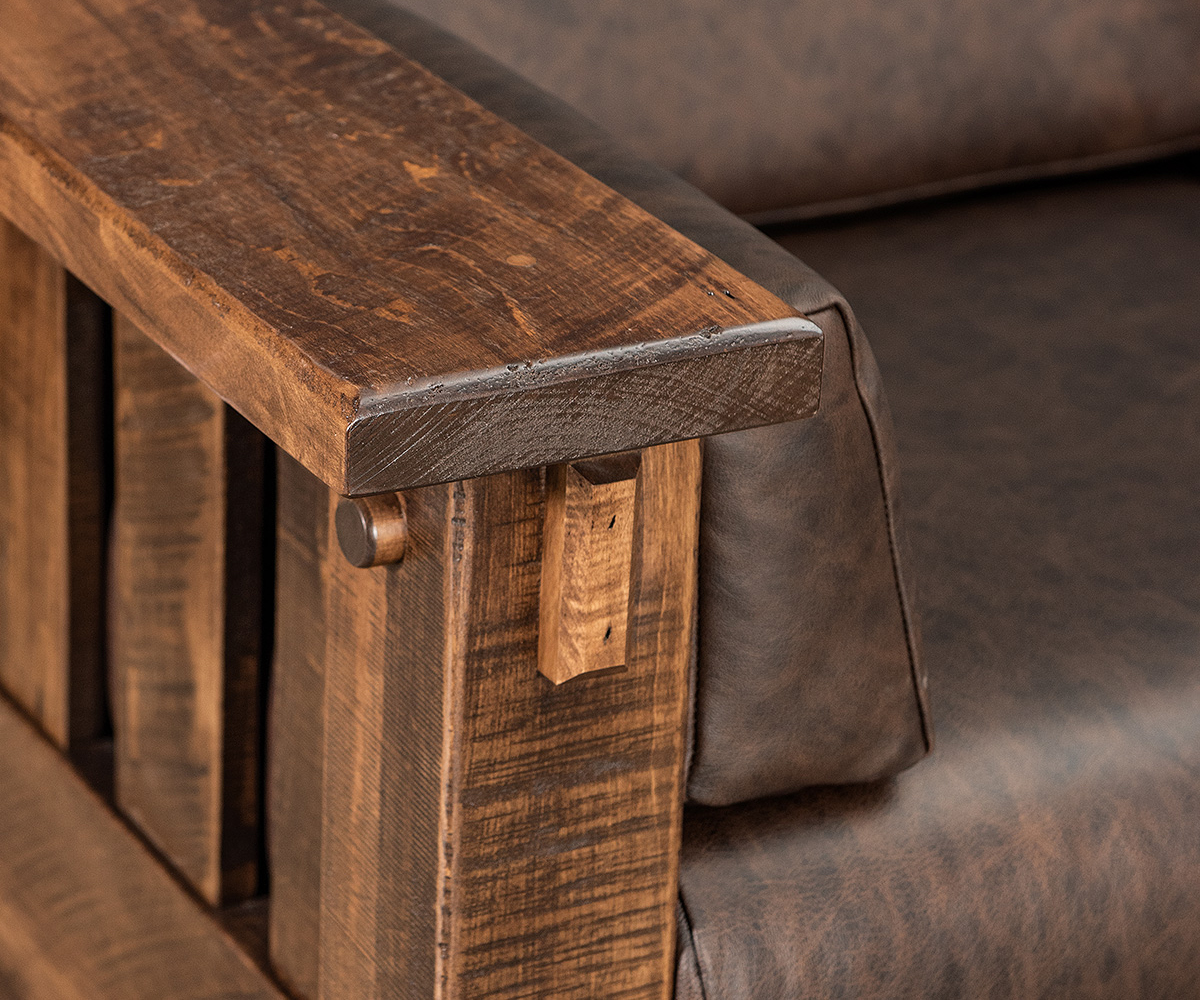
Mission furniture also highlights craftsmanship. Builders often expose joinery, such as dowels and dovetailed drawers, so anyone can see the quality of the wood and the builder’s skill. One easy way to check for this craftsmanship is to look at the drawer joinery. Open a drawer and examine the side. If you see small, flared shapes that interlock, you’re looking at dovetails. Dowels are small wooden pegs that connect two rectangular pieces of wood, sometimes seen on a chair seat connecting to a leg. Along with glue, joinery creates strong bonds that will withstand years of use.
Types of Wood Used in Mission Furniture

Oak remains the most popular wood for Mission furniture. More than almost any other style, Mission design highlights the wood grain itself.
Quartersawn white oak is especially prized. When cut at a certain angle, the wood reveals striking patterns called medullary rays. When stained with colors like Michael’s Cherry, the grain becomes even more dramatic.

Oak’s rich color pairs well with simple black metal hardware. Some Mission pieces also include black leather or painted accents.
Although oak remains the classic choice, modern craftsmen also use cherry and brown maple. These hardwoods offer distinct yet equally beautiful textures while preserving the strong lines of Mission design.
Key Features of Mission Furniture
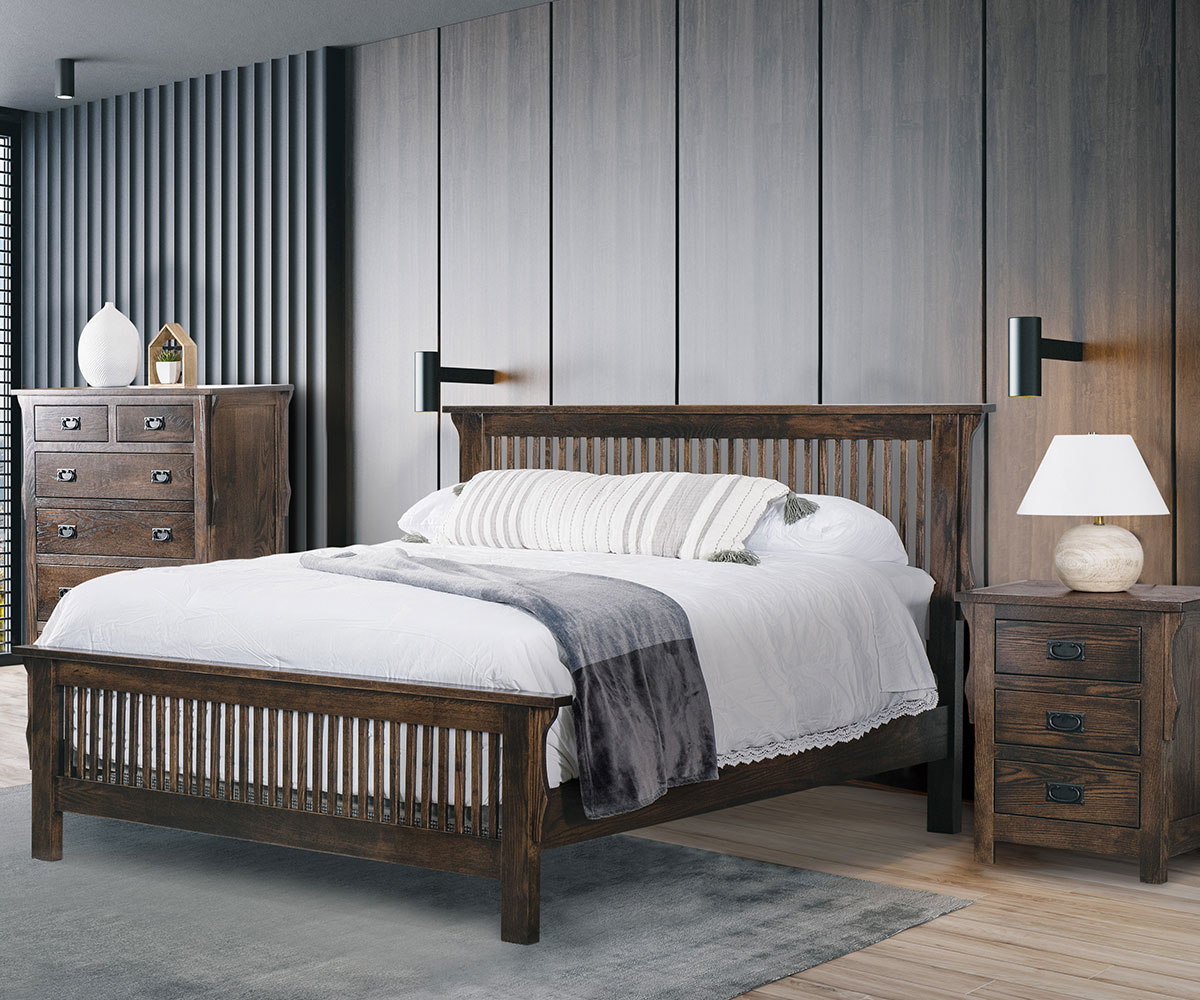
Mission furniture often uses wide boards to showcase the wood’s natural grain. Builders emphasize strong vertical and horizontal lines, with many angles close to 90 degrees. Rectangular spindles replace the rounded shapes found in other styles.
Some pieces—especially beds and chairs—include gentle arches. To add strength, desk or chair legs sometimes flare slightly at the bottom.

Early Mission builders wanted their furniture to outlast factory-made pieces. As a result, Mission furniture often looks heavier and more solid. The style feels durable and timeless.
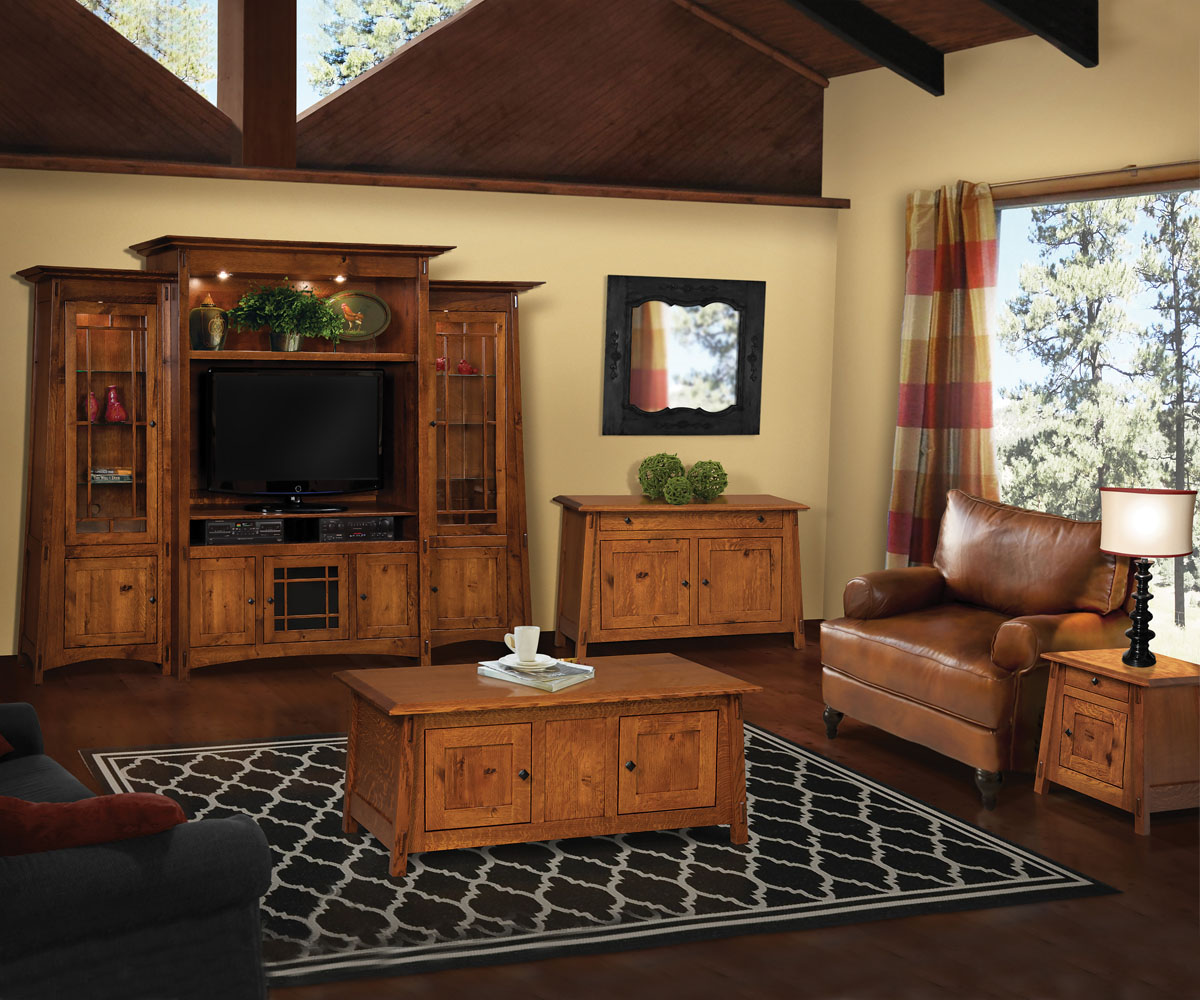
Mission furniture works especially well in Tudor Revival homes, Craftsman bungalows, ranch houses, and other interiors that highlight handcrafted design.
Shaker Furniture: Simplicity and Design
Like the Amish, the Shakers were a religious group known for simple living. They formed communities in New England in the 1780s and lived together while waiting for the Second Coming of Jesus.
Their beliefs shaped every part of daily life, including furniture design.
Shaker communities built large rooms that focused on efficiency and cleanliness. Many early Americans said, “Cleanliness is next to godliness.” The Shakers took this idea even further. Their founder, Mother Ann Lee, once said, “There is no dirt in heaven.”
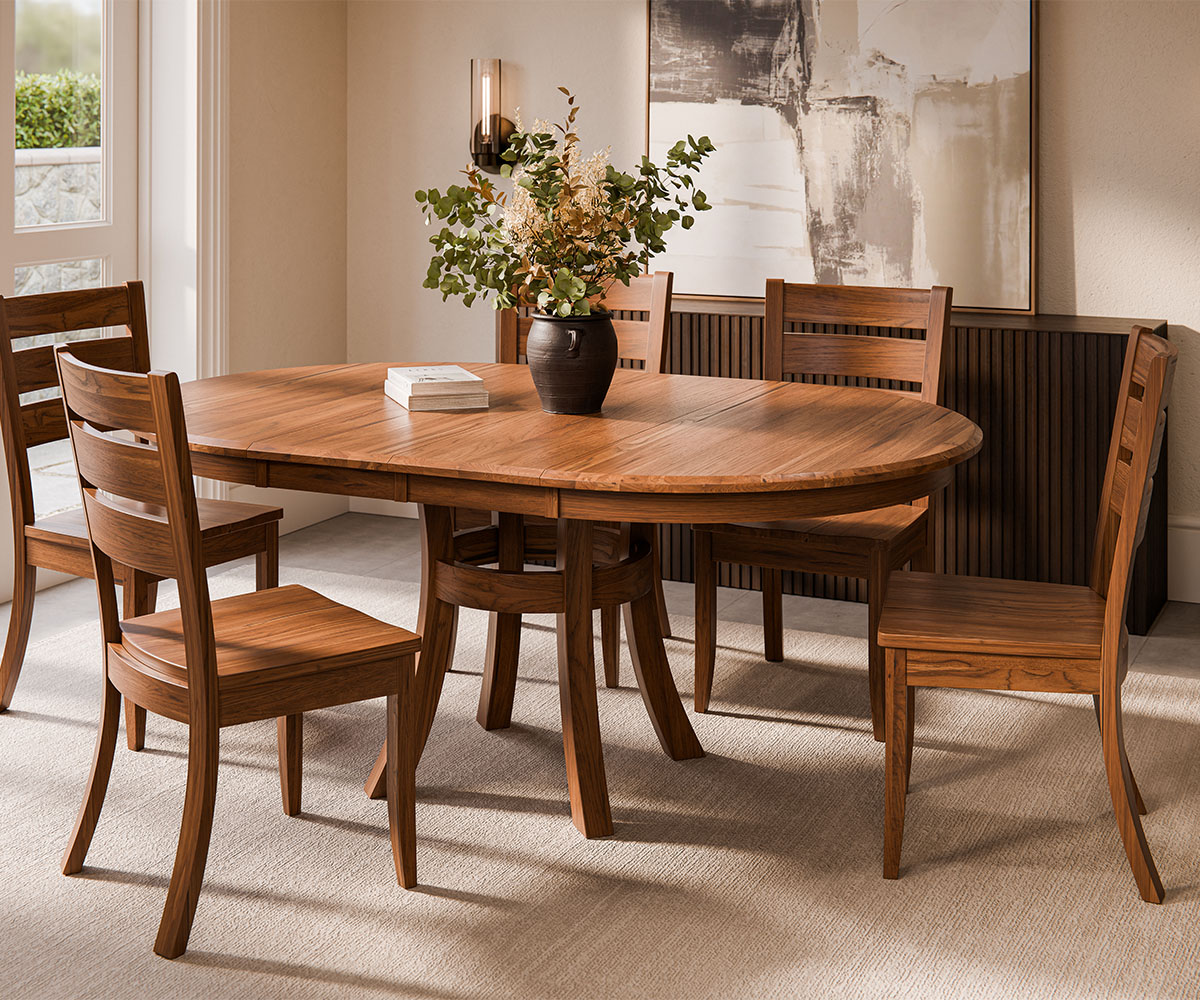
Because of this focus, Shaker furniture helped keep rooms clean and orderly. Chairs often had simple ladderback designs and could hang on wall pegs so floors could be swept easily. Some furniture stood off the floor, while other pieces rested directly on it to prevent dirt from collecting underneath. They developed high trestle tables that arch upward, giving rooms a light and open feel.
Since Shaker communities lived and worked together, their furniture reflected that shared life. Tables allowed many people to sit together, and builders thinned the legs as much as possible without compromising their strength. The result looked both sturdy and graceful.
Shaker craftsmen also viewed their work as a form of devotion. As Susan Hughes of Shaker Village in Kentucky explains:
“A chair is beautiful because it functions well. You peel away all the unnecessary, decorative items and get back to the simplicity.”
Types of Wood Used in Shaker Furniture

Historically, Shakers used whatever wood grew in nearby forests. This included pine, elm, ash, maple, cherry, beech, birch, oak, and hickory. They often painted their furniture.
Today’s Shaker furniture usually uses hardwoods such as oak, cherry, maple, and walnut. Unlike Mission furniture, Shaker design focuses more on clean form than dramatic grain patterns. For this reason, builders rarely use quartersawn white oak in Shaker pieces.
Key Features of Shaker Furniture
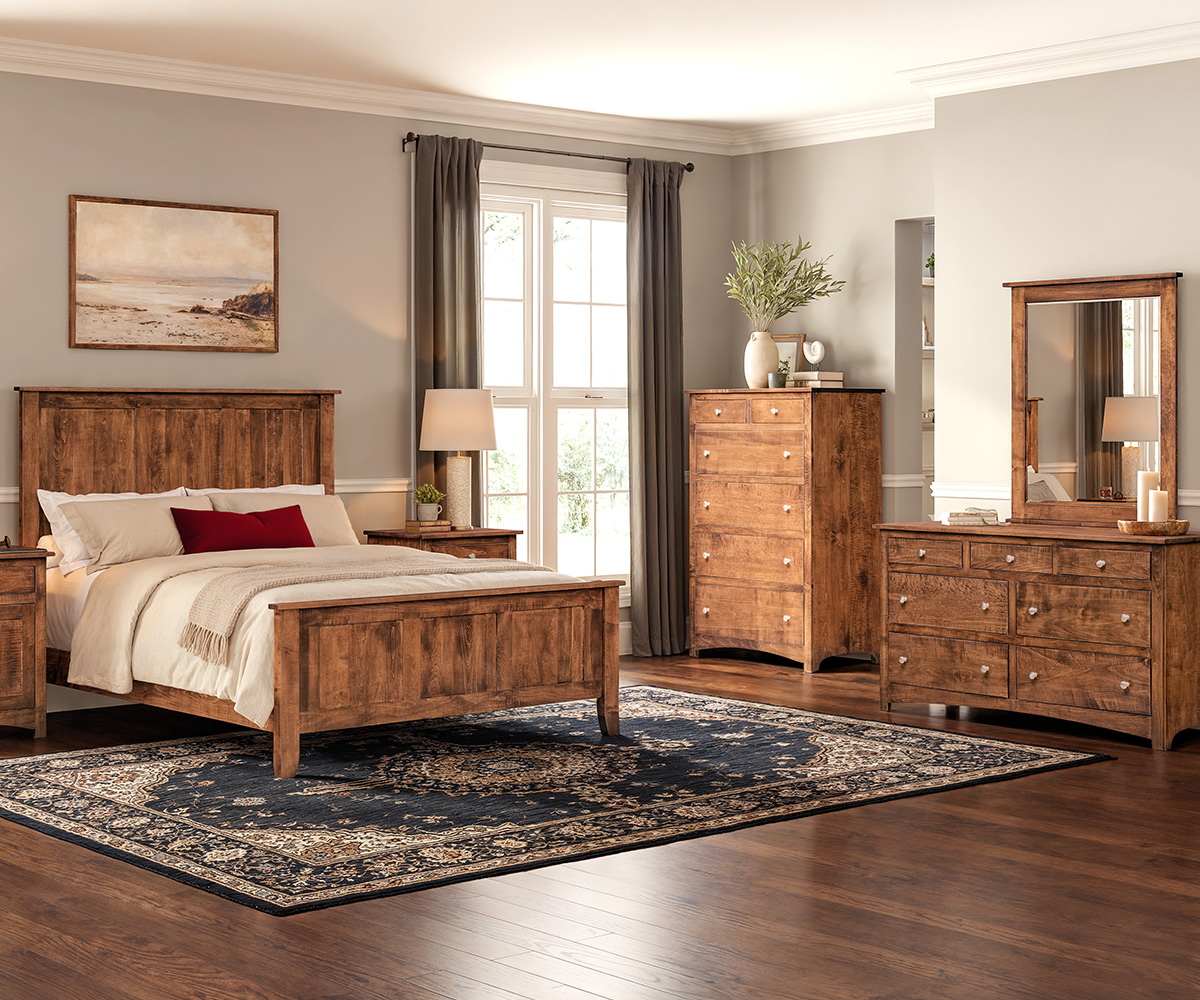
Shaker furniture creates a light, airy feeling in a room.
Builders often taper or narrow the legs, which gives pieces a delicate look while keeping them strong. Drawer pulls are usually round wooden knobs that don’t detract from the natural beauty of the wood grain.
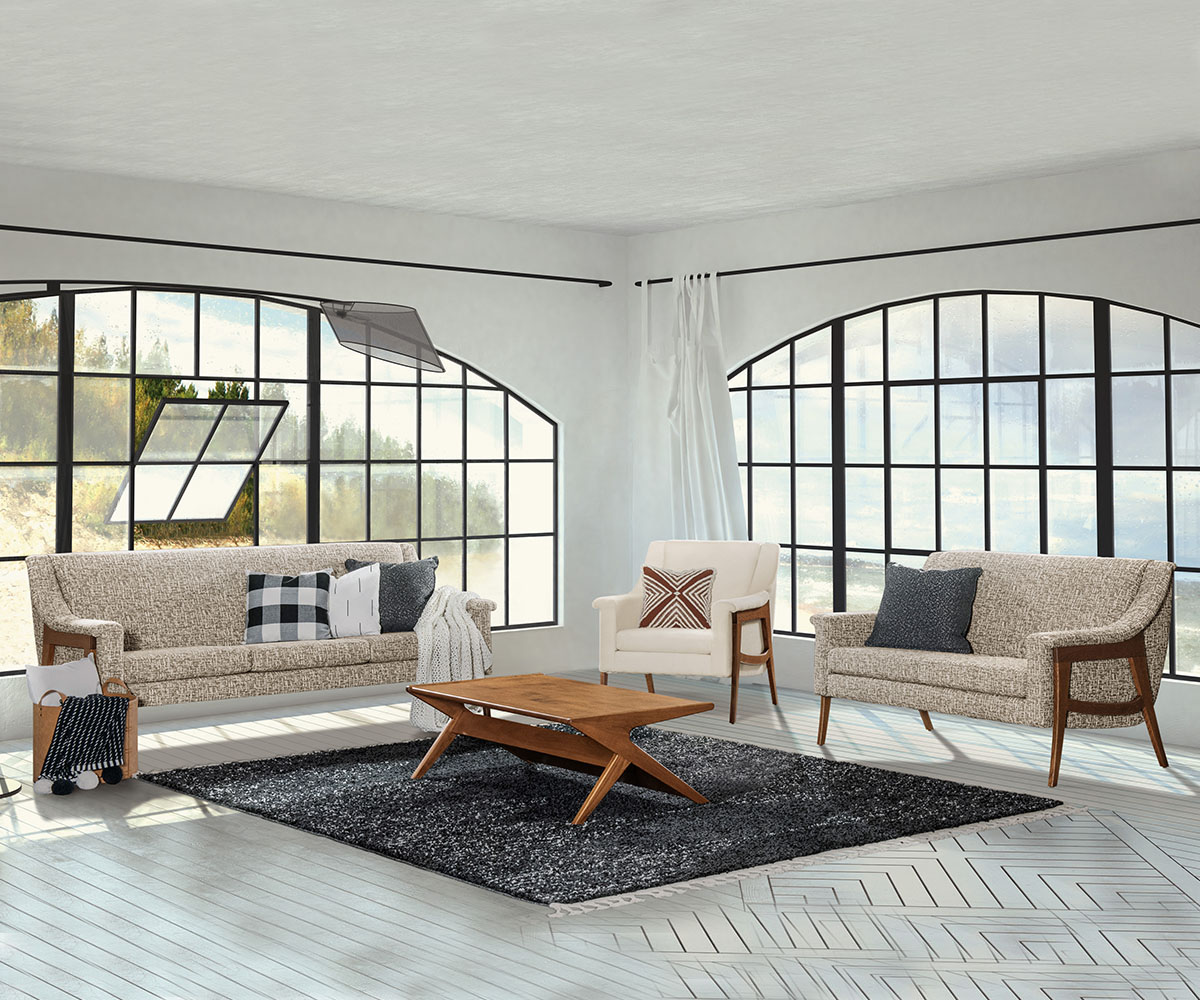
Because Shaker furniture avoids decoration, it creates a minimalist style that still feels warm and practical. Many modern furniture trends echo this look. Even popular brands like Ikea reflect the clean lines and practical simplicity found in Shaker design.

Since the 1970s, Scandinavian designers have visited Kentucky’s Shaker Village to study original pieces. The simple shapes, careful joinery, and light designs continue to influence furniture makers today. But Shaker has been adapted into many different styles today, including modern farmhouse.
Why Amish Craftsmen Excel at Mission and Shaker Furniture
Mission and Shaker styles fit naturally with Amish values. Both emphasize simplicity, durability, and careful craftsmanship.
Amish builders use traditional woodworking techniques that highlight the quality of the wood and the skill of the craftsman. Because these styles avoid heavy decoration, the strength of the construction becomes the main focus.
This approach allows Amish craftsmen to continue a long tradition of building furniture that is both practical and beautiful.
Mission vs. Shaker Furniture: Similar Values, Distinct Styles
At first glance, Mission and Shaker furniture can look similar. Both styles value craftsmanship, durability, and function. Both avoid heavy ornamentation and rely on strong design instead of decoration.
However, each style expresses these values in its own way. Mission furniture highlights the beauty and strength of the wood. Shaker furniture emphasizes simplicity and efficiency.
For homeowners who value quality, durability, and timeless design, Mission and Shaker furniture remain a natural choice—and Amish craftsmen continue to carry these traditions forward. Stop in and see for yourself at our Kalona, IA showroom.