
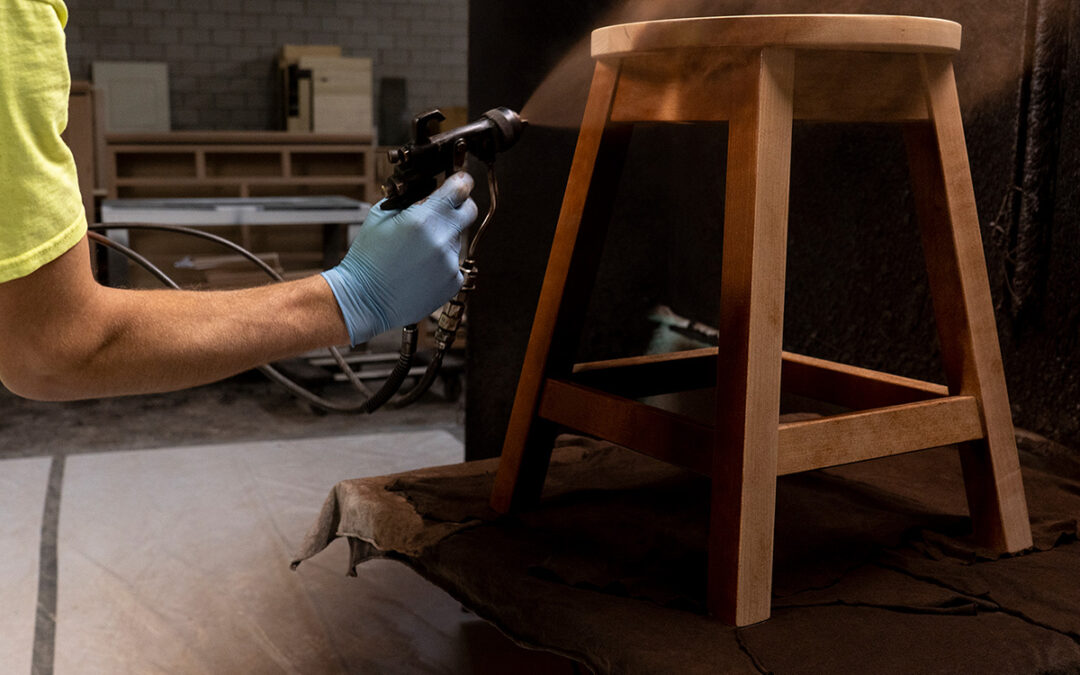
The gift and challenge of Amish furniture is that you don’t have to choose a pre-made wood stain colors for furniture set from a catalog. You choose the wood, the stain, and the character of something that will become your family’s story.
That level of choice is exciting—but it can also feel intimidating. If you’re investing in an heirloom-quality piece, you want to be sure the wood and stain will still feel right after the first delivery day.
This article will guide you through the process. We’ll explore how different woods take stains, how color and grain affect a room, and how to combine them with confidence. Think of these guidelines not as rules, but to better understand what makes each piece special.
Why Your Stain Choice Matters
Most Amish furniture makers use stains instead of paint or other because they highlight the natural beauty of the wood rather than covering it up. Oak, the most used wood type, does not take paint well, since its textured grain shows through. Instead, most woodworkers rely on a Preferred Color List (PCL). These high-quality stains preserve the undertone of the wood while allowing the grain to remain visible and expressive.
The same stain can look very different depending on the wood beneath it. For example, a craftsman might apply an almond stain to both oak and maple. While both will appear medium brown, brown maple takes on a glossy finish with subtle grain contrasts, while oak reveals a pink undertone with deeper, more dramatic grain patterns. Because oak absorbs stains more readily, its texture and color variation become more pronounced.
Exploring the Options: Stains and Wood
In this section, we’ll explore how different wood types look and feel, and how each one responds to stain. Some woods perform better in certain settings because of their hardness, grain, or undertone. Understanding these differences will help you choose combinations that not only look beautiful but also suit the way you live.
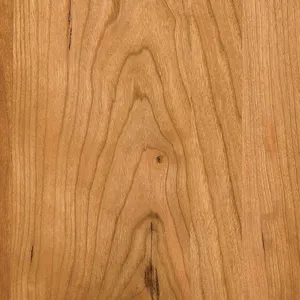
Cherry stands out for its warm red to pink undertone. While maple often ends up looking “silky”, stained cherry wood looks softer and more matte. One of its most beloved qualities is how it changes over time, slowly deepening into richer reds as it ages.
Cherry stands out for its warm red to pink undertone. While maple often ends up looking “silky”, stained cherry wood looks softer and more matte. One of its most beloved qualities is how it changes over time, slowly deepening into richer reds as it ages.
With fine, lined grains, cherry works well in luxurious places—bedrooms, formal dining rooms, and parlors.
Although still hardwood, cherry is the softest of hardwoods. Known for being regal rather than rugged.
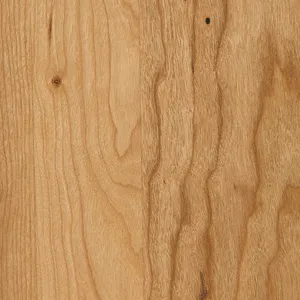
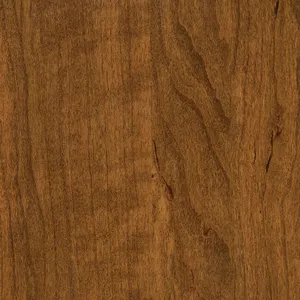

Hickory, walnut, and oak, which share cherry’s red undertone. Dark cherry stains blend in easily; medium cherry stains provide contrast to neutral oaks.
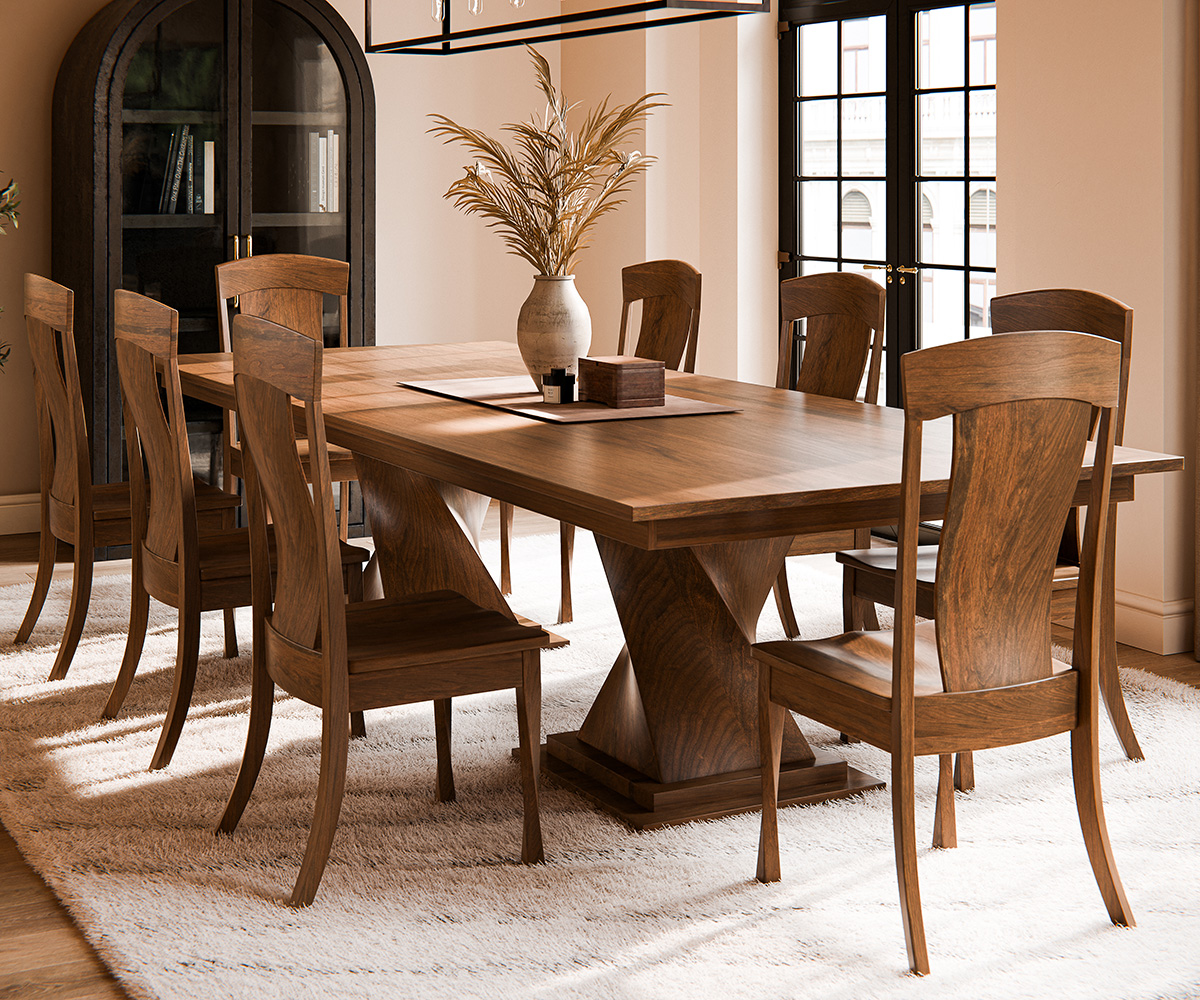
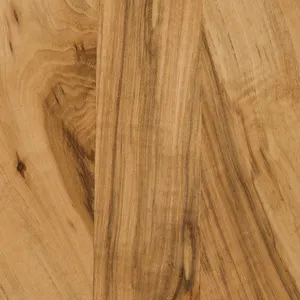
Hickory has become especially popular as design trends move toward celebrating natural materials while still favoring clean, modern lines. Medium brown stains remain especially popular, as they enhance hickory’s natural contrast without overpowering it.
Its grain appears in flowing patterns broken up by knots, creating pieces that feel organic but not visually overwhelming.
One of the greatest hickory furniture benefits is its exceptional hardness, which makes it ideal for kitchens, dining rooms, and high-use space.
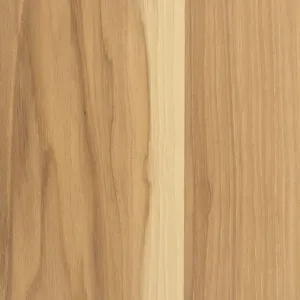
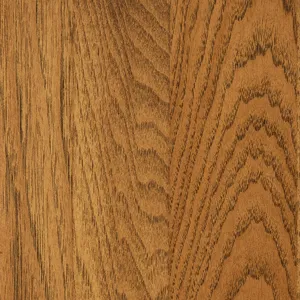
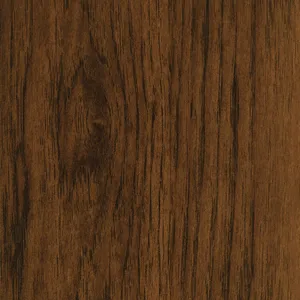
Maple, which shares its undertone and allows hickory’s dramatic grain patterns to stand out.
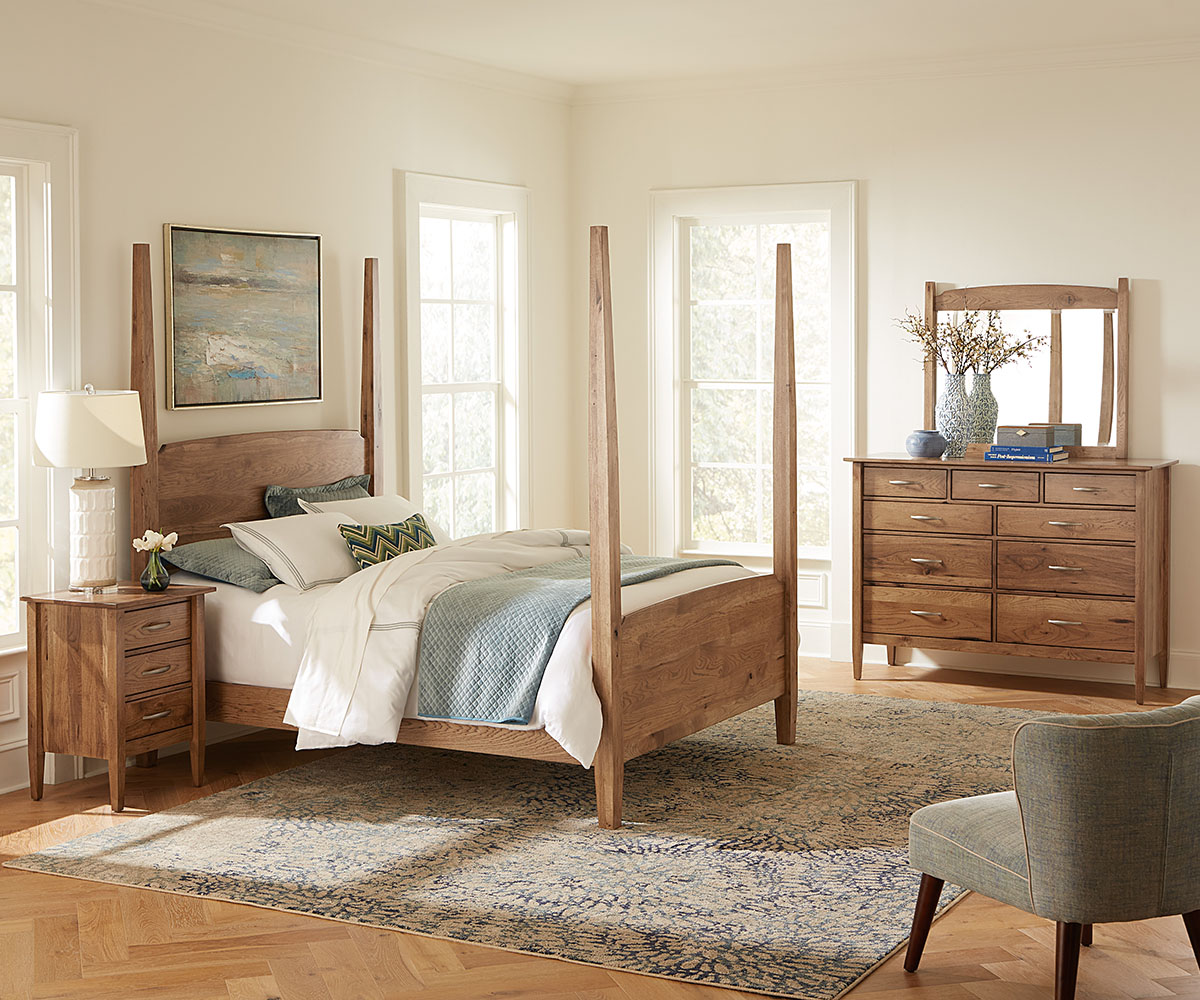
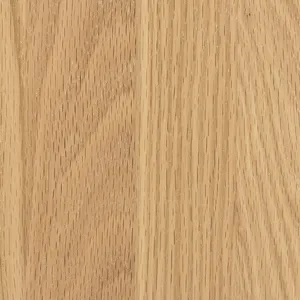
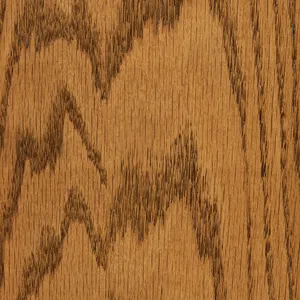
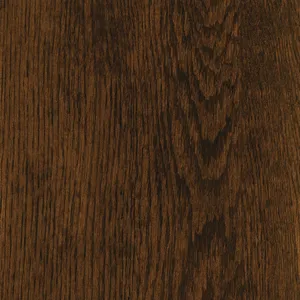
Oak is the most widely used and most versatile of all furniture woods. White oak provides a clean, neutral base for stains and works beautifully in nearly every setting—especially when cut in a quarter-sawn pattern. Red oak, by contrast, carries a pink undertone that adds warmth and character to a room.
A beloved classic for Amish furniture, showcases a beautiful, natural grain.
Quite hard, making them suitable for tables, chairs, and other high-use furniture.
Cherry and walnut, which share similar reddish and pink hues.

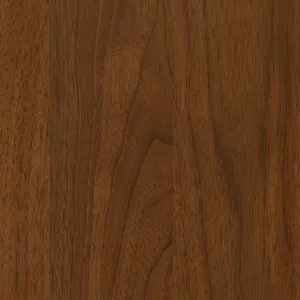
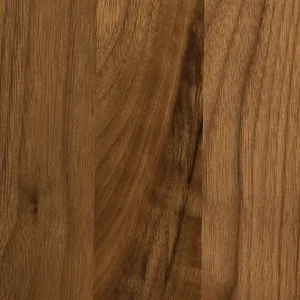
Walnut is naturally darker than most woods and share some visual qualities with hickory, including visible grain and occasional knots that make each piece feel unique. With medium stains, walnut works beautifully in larger installations like cabinetry, where its richness adds depth without overwhelming a space.
A darker colored wood, walnut does well in formal settings like offices. Does especially well in mid-century modern furniture.
Softer than most oaks, and harder than most maples; works well in many settings.
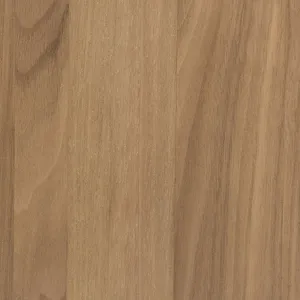

Most woods. The undertone ranges from gray to violet, offering subtle contrast without clashing.
How Different Stains Can Change a Room
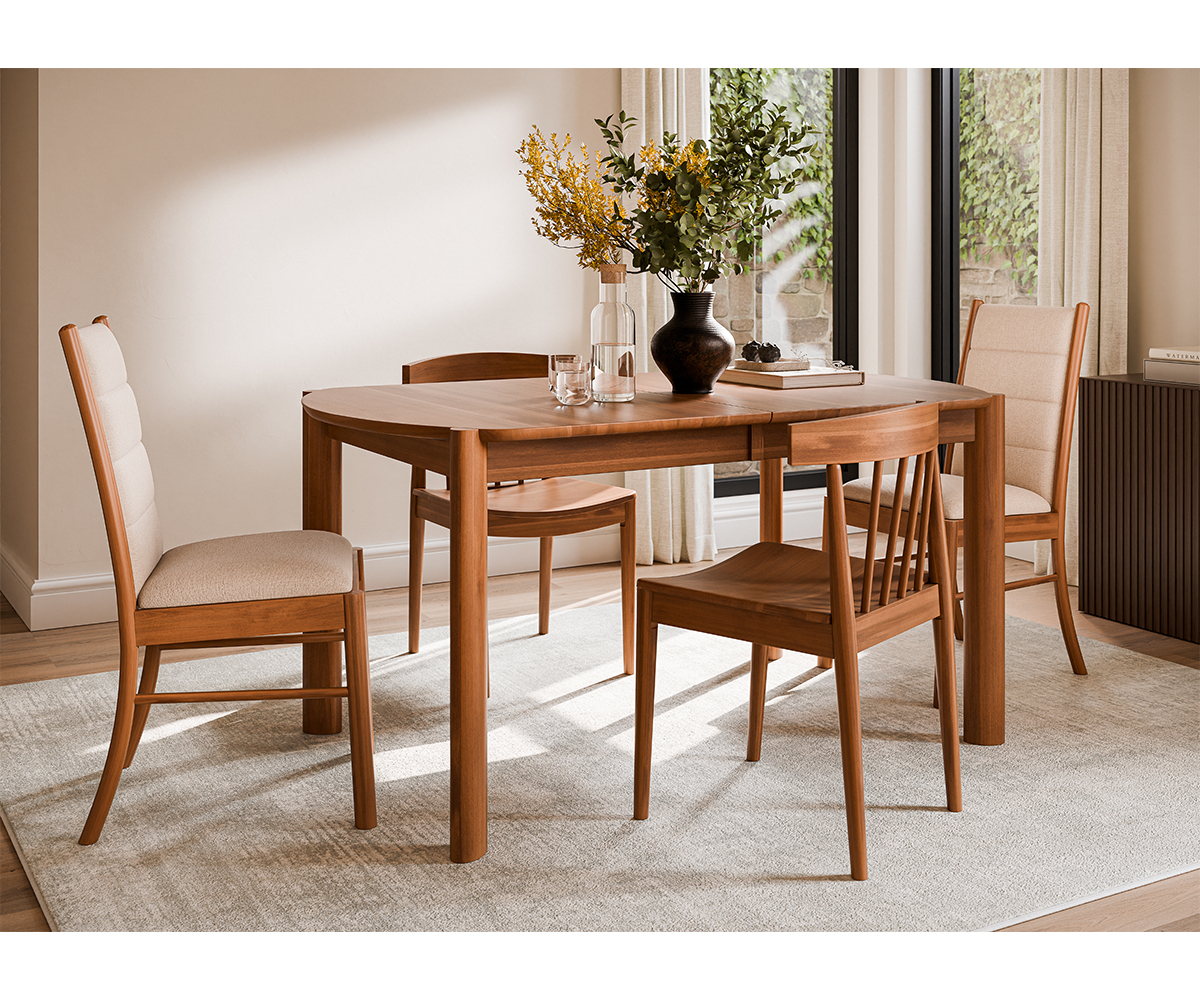
Many people have an instinctive sense of the stain colors they like, but it can still be helpful to see how different finishes shape the mood of a space. You may also be choosing furniture for rooms that guests will visit often, and the stain you select can subtly influence how welcoming or formal those spaces feel. The table below compares how light, medium, and dark stains typically interact with different wood types and design styles.
Different wood stain colors for furniture do more than change appearance—they shape the mood of a room, influencing whether it feels airy, grounded, or dramatic.
Light Stains
Walnut is naturally darker than most woods and share some visual qualities with hickory, including visible grain and occasional knots that make each piece feel unique. With medium stains, walnut works beautifully in larger installations like cabinetry, where its richness adds depth without overwhelming a space.
Styles that use light stains the most
Scandinavian, modern, minimalist, Shaker
Make a room feel . . .
Uncluttered, light and airy.
Other notes
Show dirt less than other medium or dark stains and help brighten smaller or lower-light rooms.
Medium stains
Walnut is naturally darker than most woods and share some visual qualities with hickory, including visible grain and occasional knots that make each piece feel unique. With medium stains, walnut works beautifully in larger installations like cabinetry, where its richness adds depth without overwhelming a space.
Styles that use medium stains the most
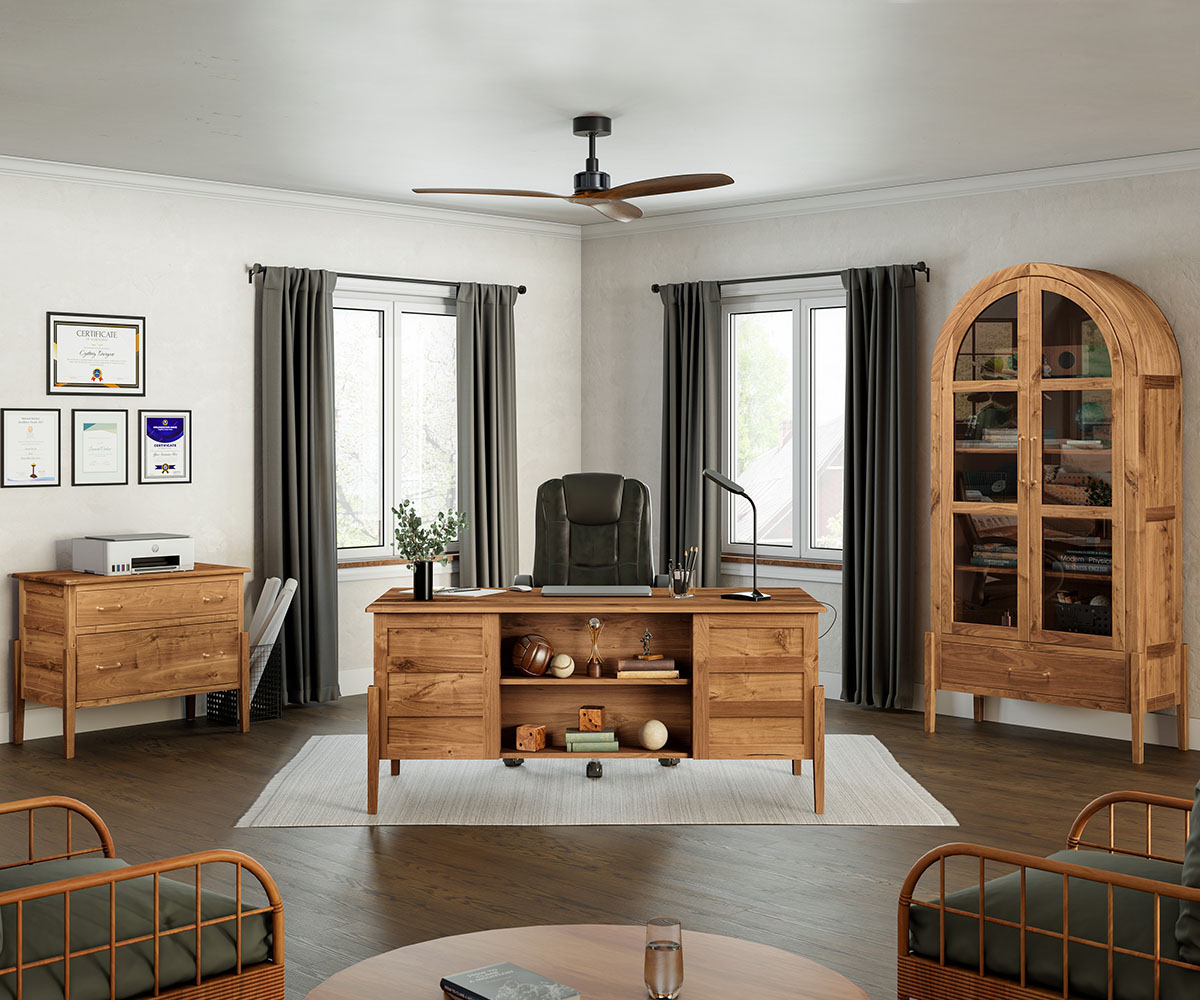
Mid-century modern, modern farmhouse, Shaker
Make a room feel . . .
Grounded, vibrant, and connected to nature.
Other notes
Medium stains hold up especially well in high-traffic areas, where a balance of warmth and durability is important.
Dark stains
Walnut is naturally darker than most woods and share some visual qualities with hickory, including visible grain and occasional knots that make each piece feel unique. With medium stains, walnut works beautifully in larger installations like cabinetry, where its richness adds depth without overwhelming a space.
Styles that use dark stains the most
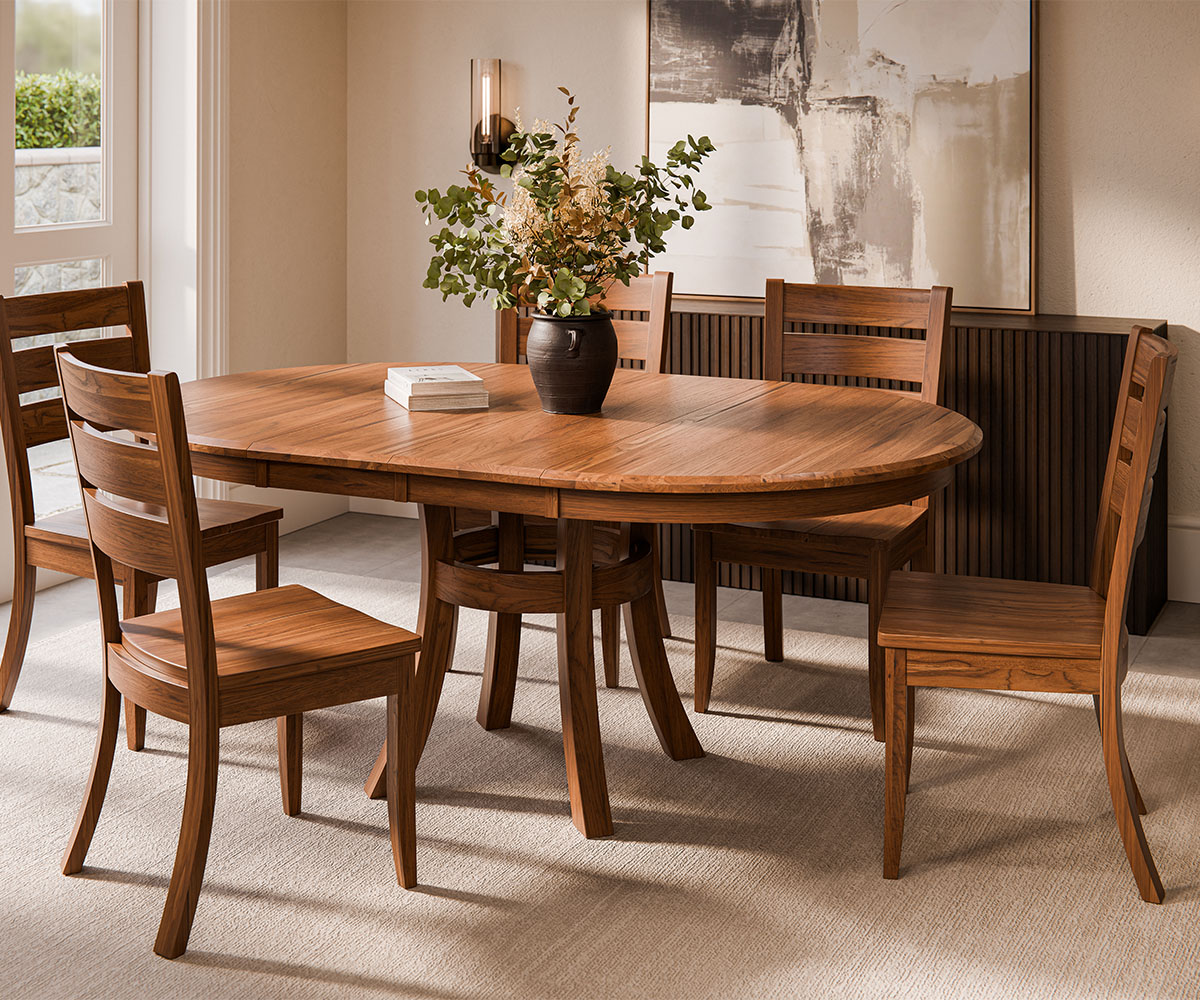
Traditional, Mission, modern, rustic
Make a room feel . . .
Dramatic or formal, except in large rooms, where it often brings warmth and coziness.
Other notes
Dark stains downplay natural imperfections in the wood and pair beautifully with white walls or high-contrast décor.

How to Decorate with Multiple Wood Types
By now, you may be wondering whether you should choose just one type of wood. You might be drawn to hickory for its durability in a busy living room, or to maple for its quiet elegance in a bedroom. Often, the right answer isn’t maple or oak—it’s both.
And fortunately, you don’t have to choose just one type of wood! Mixing wood types can create depth and interest in a space when done thoughtfully. These three guidelines will help you combine wood and stains with confidence.
- Use contrasting stains.
Think in terms of light, medium, and dark, and layer those tones throughout the room to create balance and visual interest.
- Use similar undertones.
Refer to the tables above to see which woods pair well together. Woods with yellow undertones, such as brown maple and hickory, naturally complement each other. Warmer tones like cherry and oak share a similar palette, while walnut and white oak can work with either group depending on the stain.
- Use contrasting grain patterns.
Pair woods with different grain styles for a richer look. Hickory’s bold, unpredictable grain works beautifully with maple’s subtle lines. Oak’s visible grain also pairs well with maple or a dark walnut.

In the end, trust what feels right to you. Each wood and stain offers its own kind of beauty, and there are countless ways to combine them. These guidelines aren’t meant to limit your choices—they’re here to help you discover more ways to bring the natural beauty of wood into your home.
To Learn More
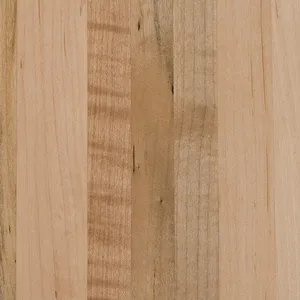
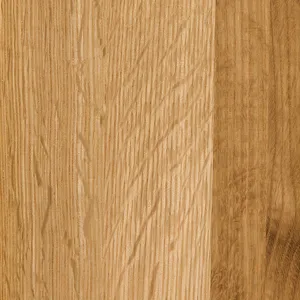
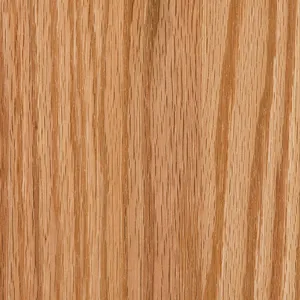
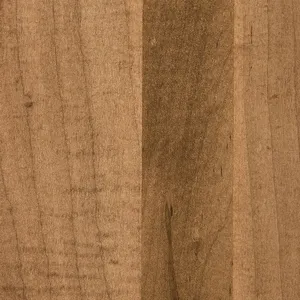
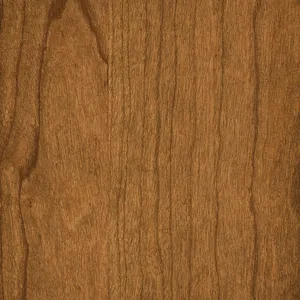
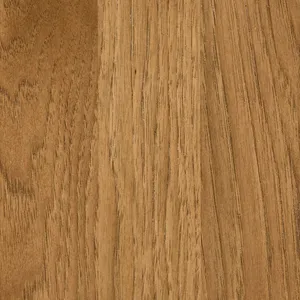
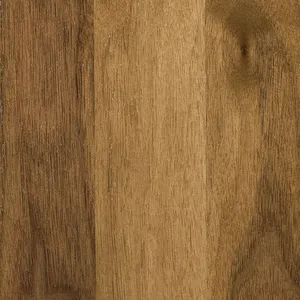
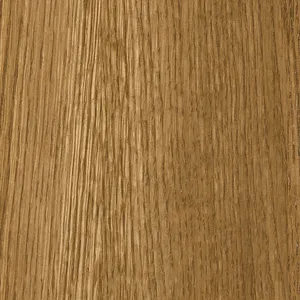
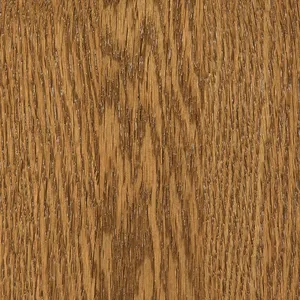
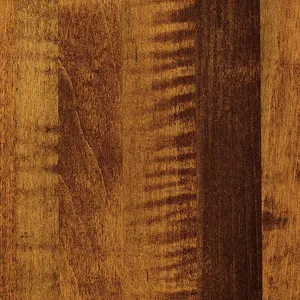
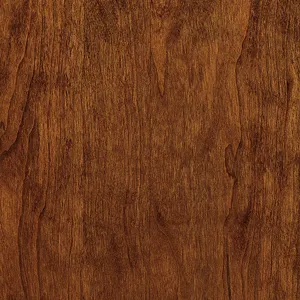
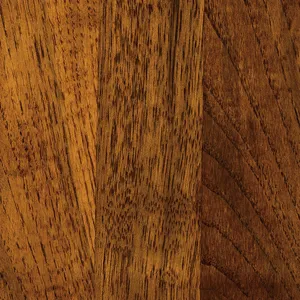
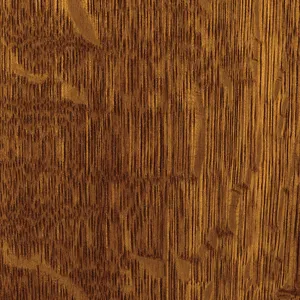
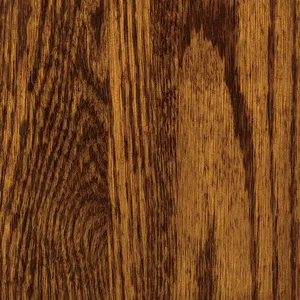
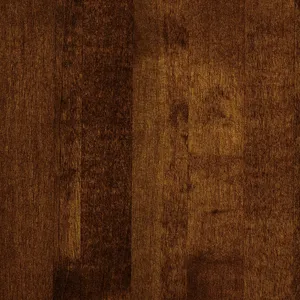
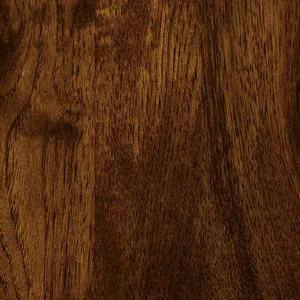
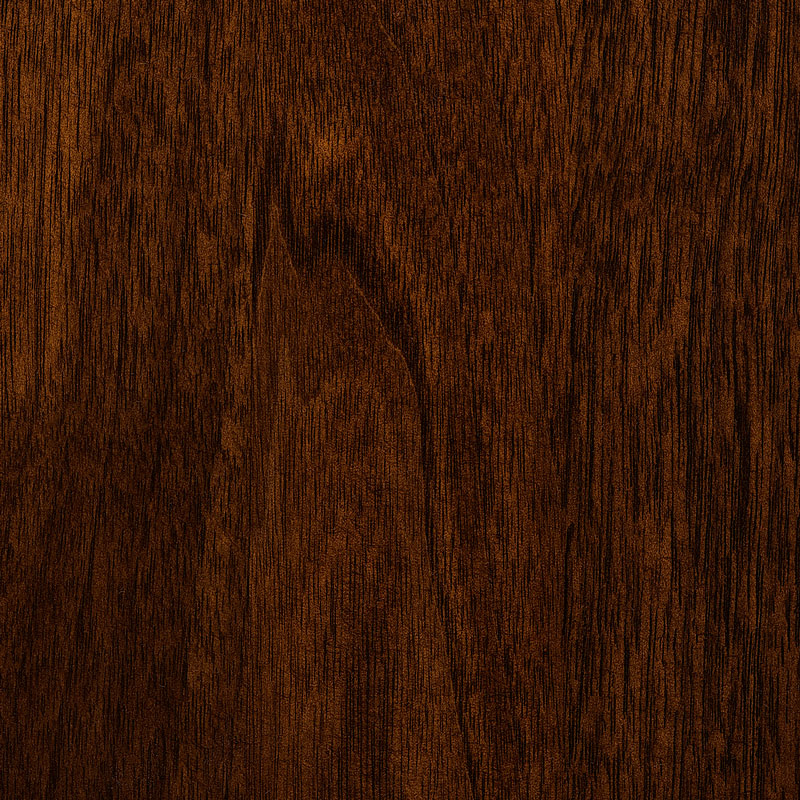
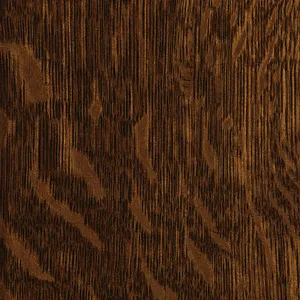
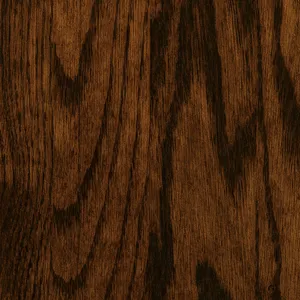
View the table below to familiarize yourself with the six most common wood types, shown with a spectrum of four stains, from lighter to darker.
Medium stain

Most popular
2nd most popular
Most popular
2nd most popular
Most popular
2nd most popular
Most popular
2nd most popular
Most popular
2nd most popular
Most popular
2nd most popular