
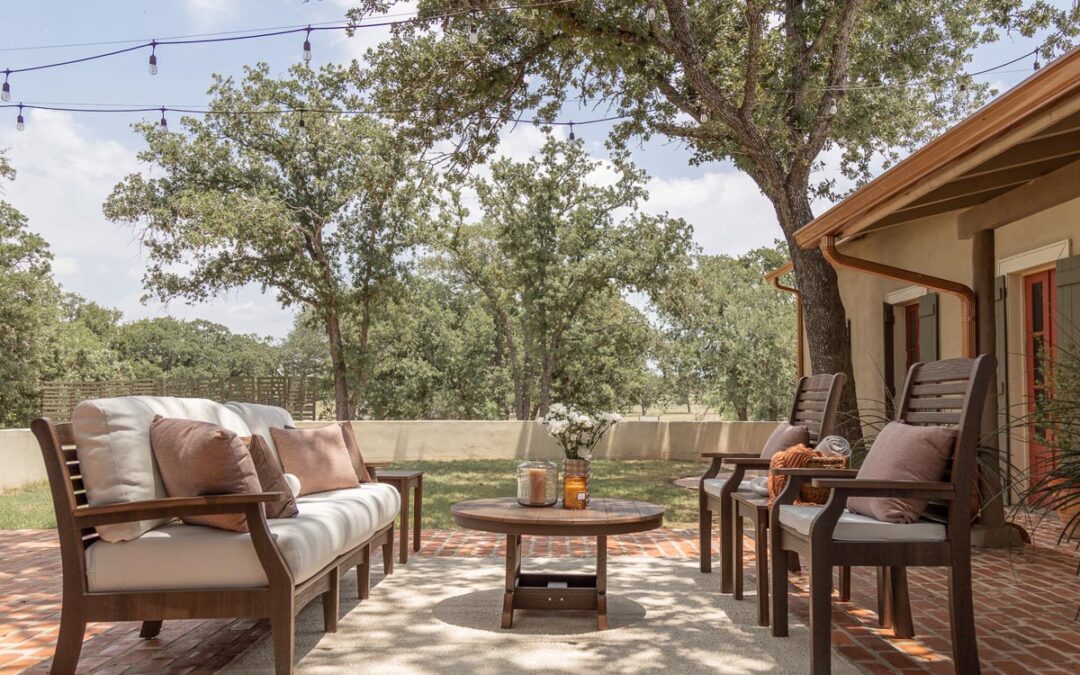
Outdoor furniture takes a real beating in Iowa. Spring swings between warm afternoons and sudden cold snaps, while Summer brings long stretches of sun, wind across open yards, and heavy rain. Even Fall doesn’t stay gentle for long, and Winter settles in with snow that lingers. If you’re setting up a patio or deck, you want pieces that can hold up through all of that without turning into a weekend maintenance project. That’s why many homeowners end up weighing poly vs wood furniture for their outdoor space. However, when you’re choosing between the two, you have to consider Iowa’s weather and your budget. The following guide covers the factors that go into selecting the right furniture for your yard.
Poly Furniture vs Wood Furniture: Comparison Table
| Feature | Poly | Wood |
| Material | High-density polyethylene or recycled plastics | Solid hardwoods like teak, cedar, or eucalyptus |
| Lifespan | Maintains shape and function | Can last 10 to 15 years with proper care; may develop cracks or patina over time |
| Color and Appearance | Wide range of colors | Natural wood tones with unique grain patterns |
| Comfort | Comfortable with cushions; heats up quickly. Smooth surface | Naturally firm; cushions add comfort. Not as easy to overheat |
| Weather Resistance | Resistant to moisture, sun fading, and temperature swings; | Warping or cracking due to moisture and sun |
| Weight | Heavier | Lighter than poly |
| Ease of Moving | Typically requires more than one person to move | Smaller pieces can be a one person move. Larger denser pieces are more cumbersome |
How Iowa Weather Affects Poly and Wood
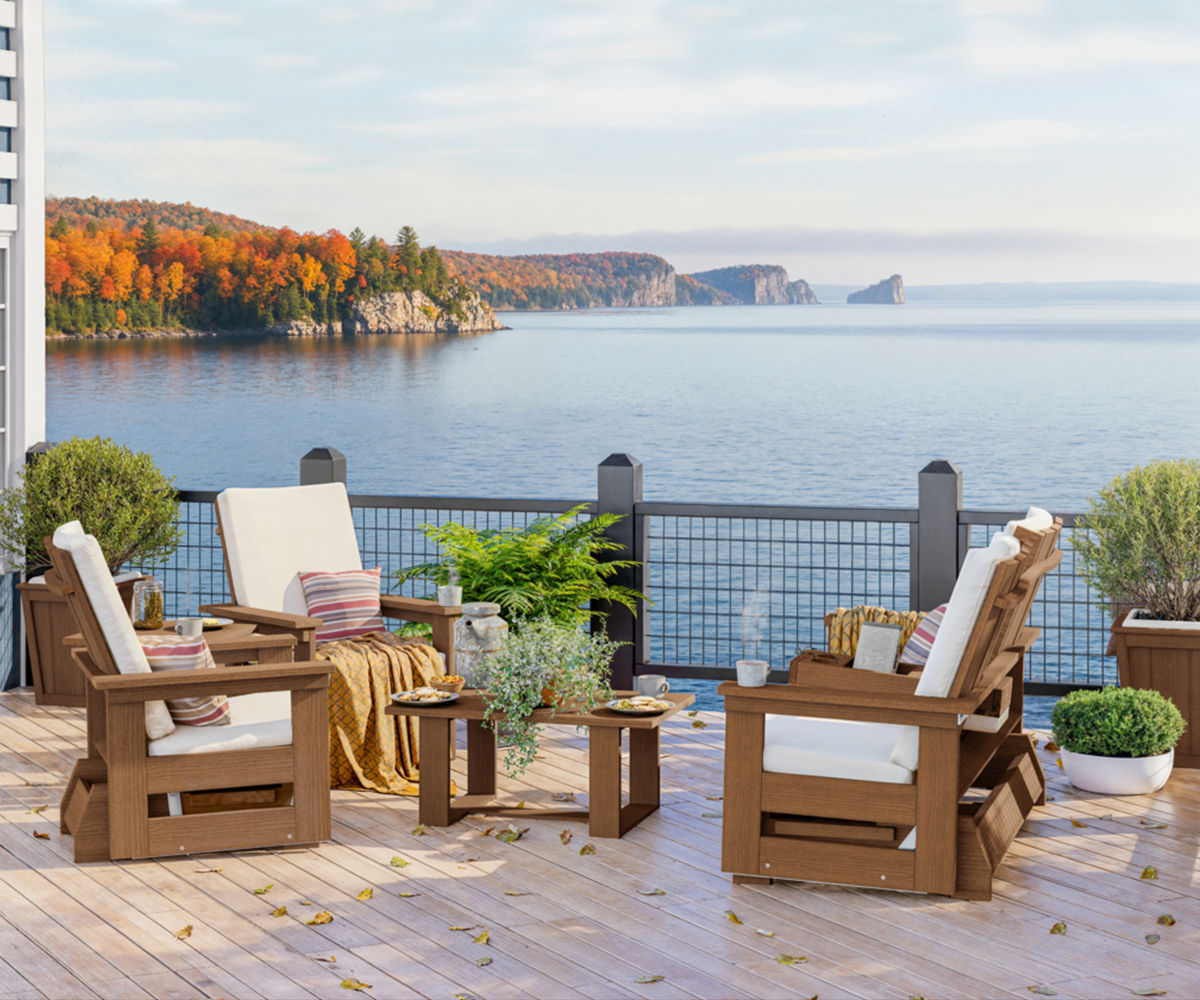
Iowa’s weather changes dramatically through the year, with spring bringing rain and occasional frost, and summer being hot with long hours of sun. These conditions affect outdoor furniture in very different ways.
Poly furniture handles these changes well. It does not absorb water, so rain, snow, and melting ice do not cause warping or swelling. Humidity and freezing temperatures have little effect on its structure. Sunlight can fade some plastics, but quality poly resists color loss and stays strong through seasonal temperature shifts.
Wood reacts badly to moisture compared to poly. Rain and melting snow cause expansion, while dry periods make it shrink. Repeated cycles can lead to small gaps or surface cracks if the wood is not sealed.
Sunlight gradually fades the finish and dries the surface, which may increase wear. Similarly, winter snow and ice add stress that can shorten the lifespan of untreated wood. In short, poly demands less attention, while wood requires consistent upkeep to maintain appearance and durability.
Appearance Over Time: Poly vs Wood Furniture
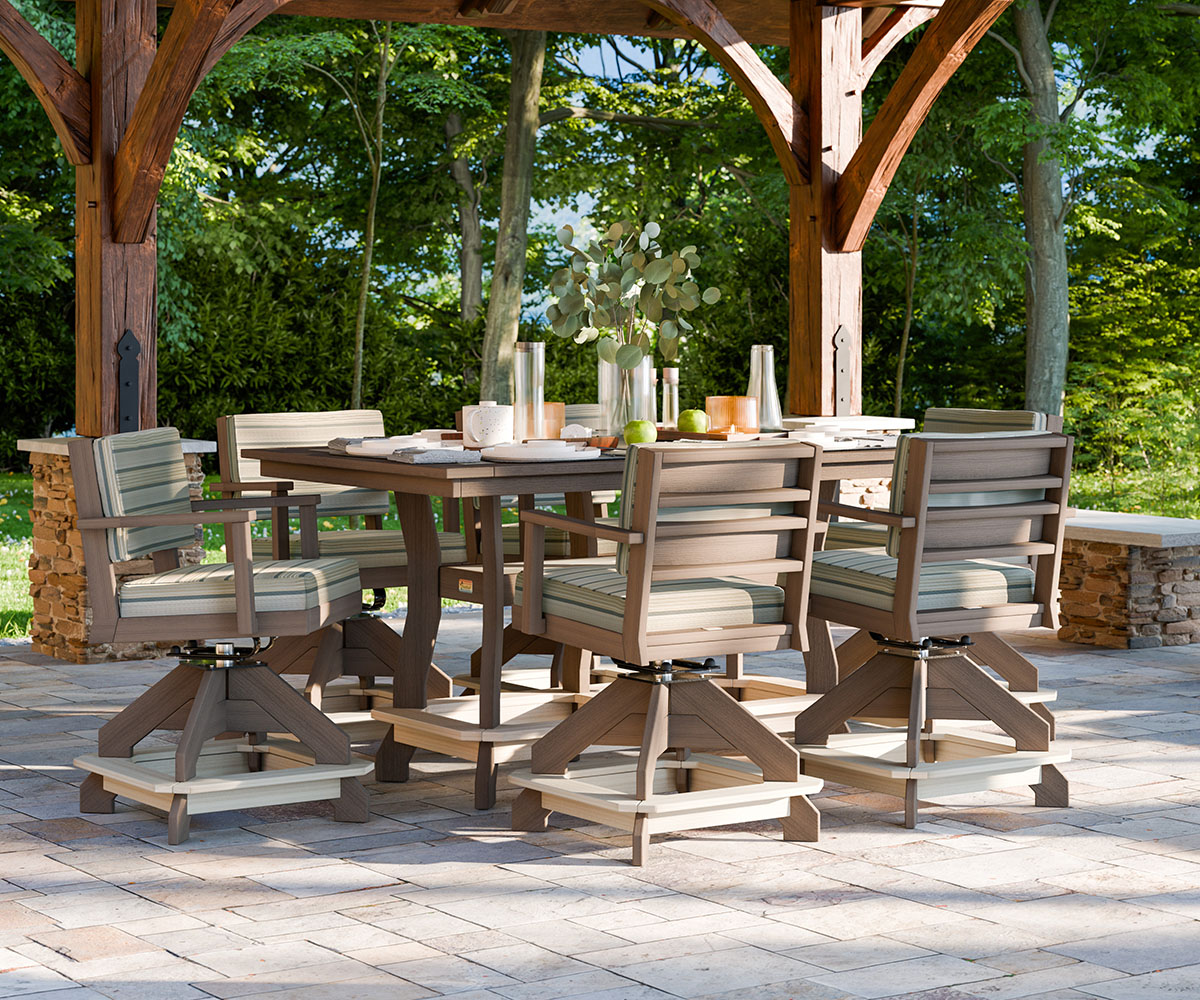
The original look of both poly and wood is different. Poly comes in a wide range of colors, often in bright and deep tones. It also maintains a uniform finish.
Wood offers natural warmth and character, with grain patterns that appeal to many homeowners. Initially, wood can feel more luxurious, while poly provides a clean, modern look.
Over 10 to 15 years, the difference becomes more noticeable. Poly tends to fade slowly if exposed to long-term sunlight, but it keeps its shape and overall structure. Scratches or minor dents may appear, but the material usually remains functional and visually consistent.
You’ll notice more apparent changes in wood. Sunlight and weather cycles gradually change its color. Some species darken, others lighten, and untreated surfaces may develop small cracks or splits.
Wood can be made to last longer with protective finishes, but the furniture often takes on a patina that can be attractive or uneven, depending on exposure.
Choose between the two based on the look you want initially and how much change you are willing to accept over the years.
Initial Cost: Poly vs Wood Furniture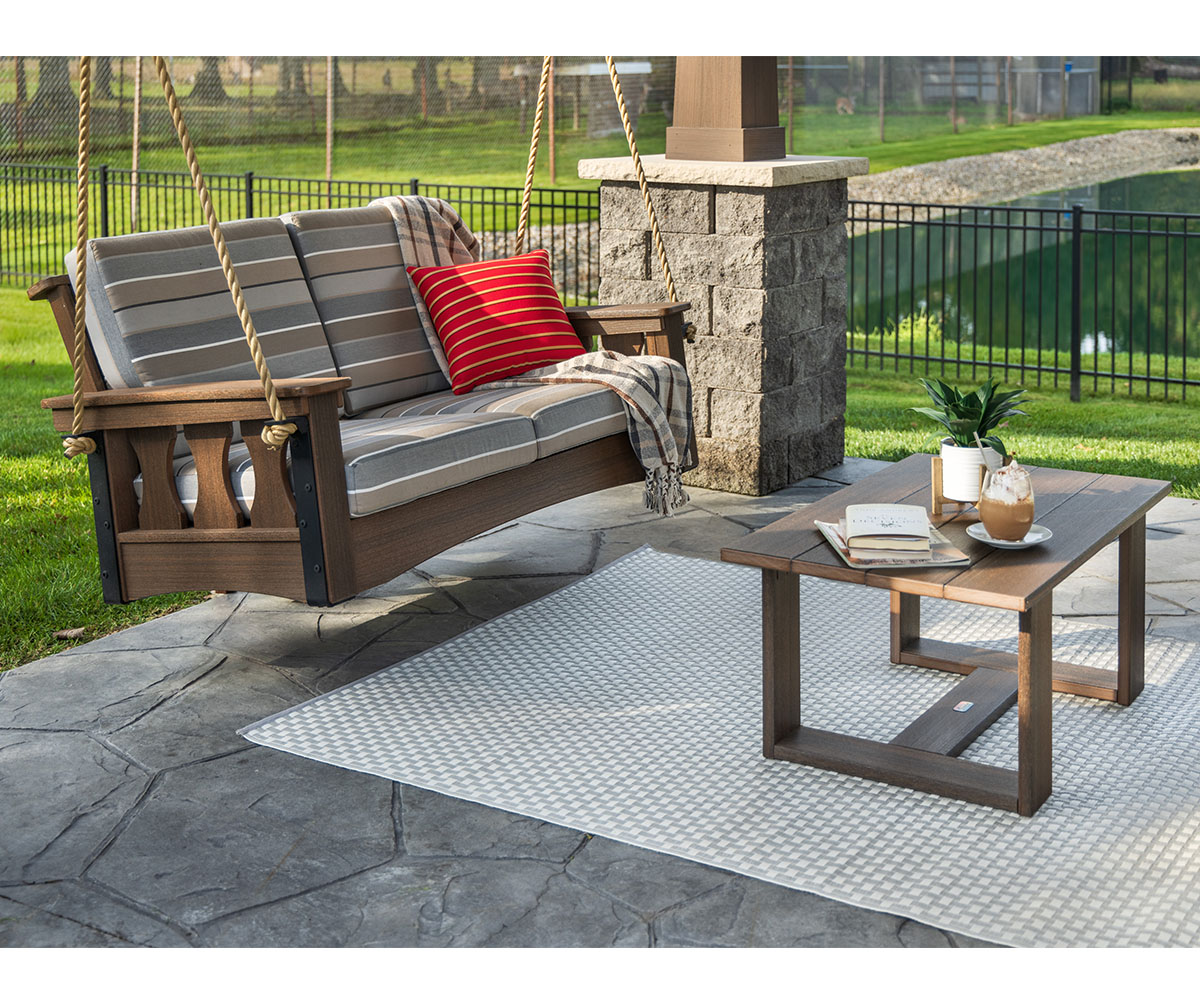
Poly furniture is generally more costly upfront, but has been seeing a drop in starting price as demand and supply rises. Many pieces are made from recycled plastics or high-density polyethylene. Even though costs are higher, the products offer durability. Poly allows homeowners to furnish a patio or deck without continual repairs and the costs that come with that.
As for wood, it’s usually a lower starting price, but the wood type changes this dramatically. Solid hardwoods like teak or cedar are expensive because of the material itself. They are more moisture resistant due to their natural oils. The craftsmanship further adds to the cost. You can opt for softwoods or composite woods that may be cheaper, but quality hardwoods are a better investment for long-term appearance and strength.
Maintenance and Care for Poly and Wood Furniture
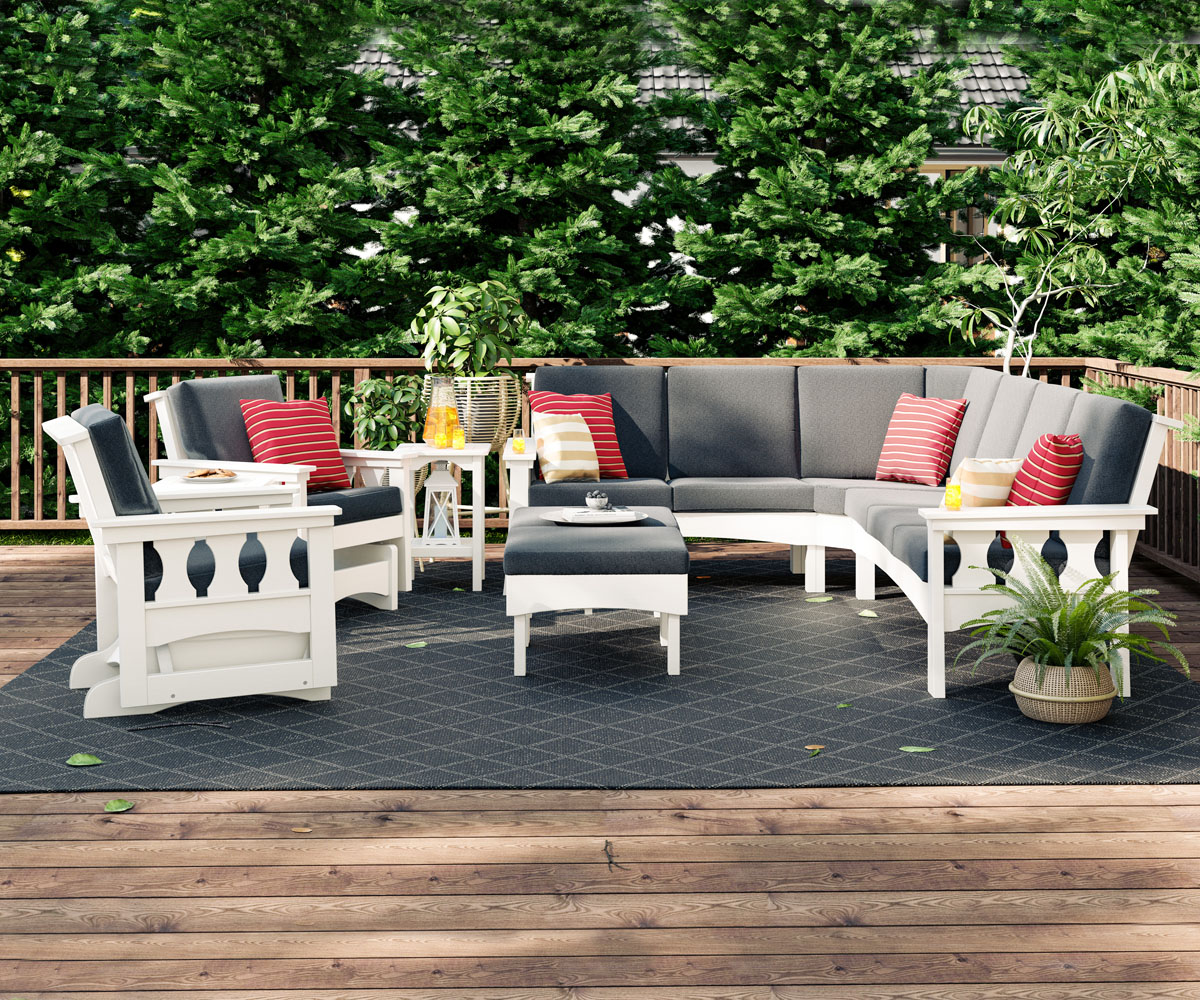
Poly and wood respond differently to weather and wear, especially with daily use. You should know the proper care practices for both to extend their life and keep them looking their best over the years.
Caring for Poly Furniture
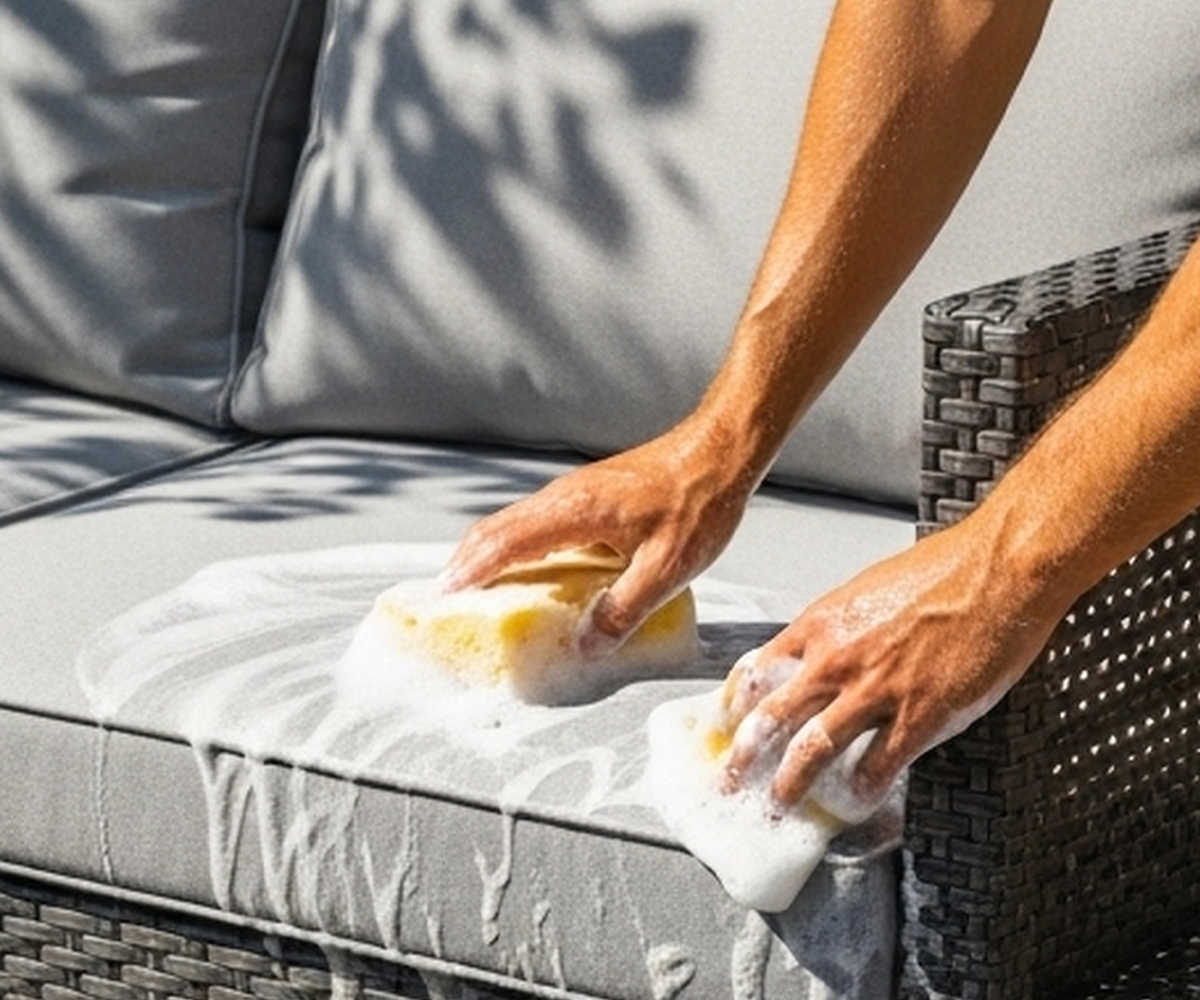
Poly is low-maintenance and can handle Iowa’s seasonal changes with minimal effort. Here’s how to maintain it:
- Use a soft cloth to wash with mild soap and water.
- Rinse thoroughly to remove soap residue.
- Avoid harsh chemicals or abrasive scrubbers that may scratch the surface.
- Store cushions indoors during winter or heavy rain to prevent fading.
- Inspect periodically for loose screws or minor damage.
Poly’s resilience makes it easy to maintain, so you don’t have to spend as much time on upkeep.
Caring for Wood Furniture
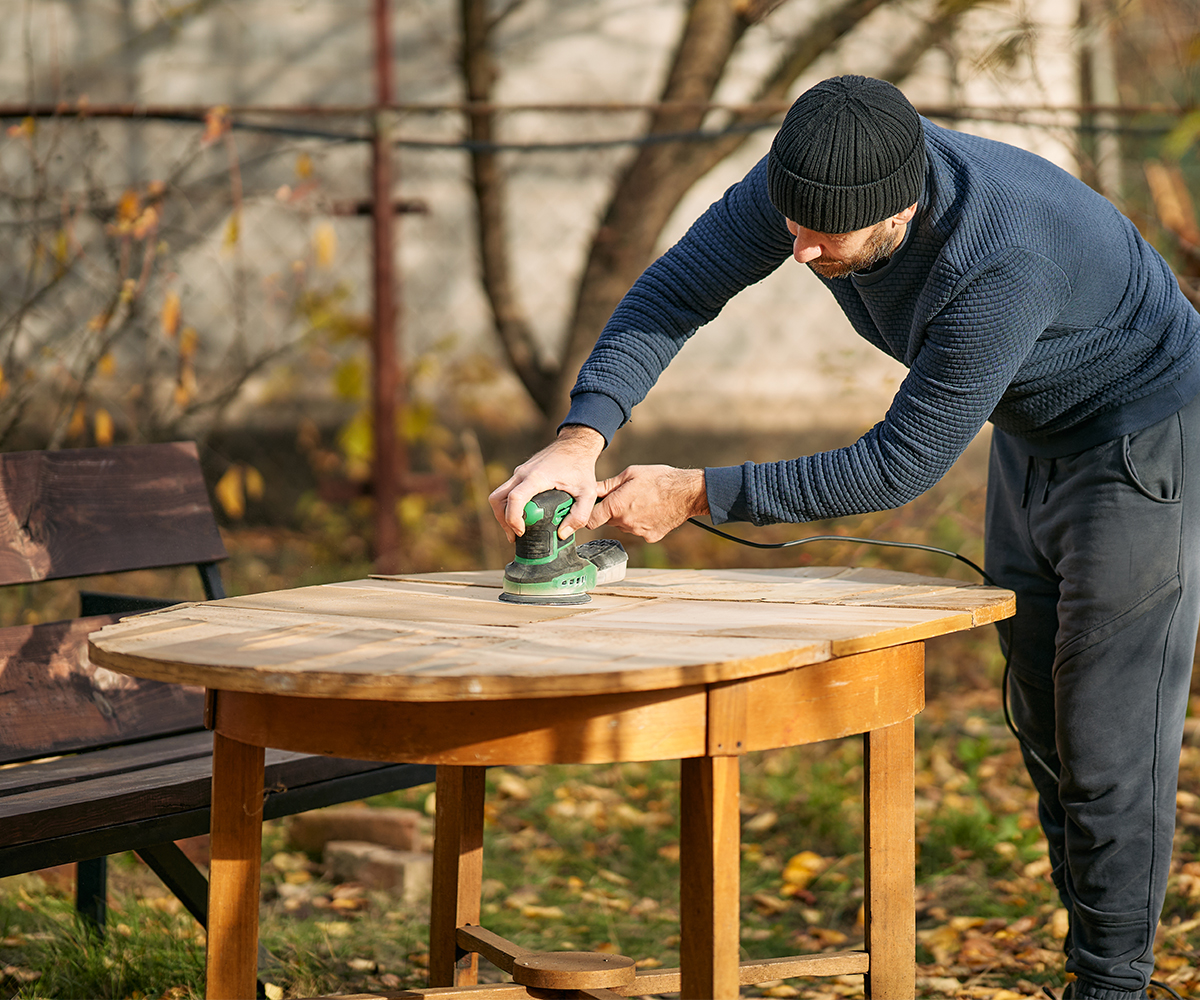
Wood requires more attention to preserve its appearance and structure as temperature changes and moisture can affect the surface and integrity if not treated properly. The following maintenance tips are necessary to keep wood in top shape:
- Clean with a soft brush and gentle wood cleaner.
- Apply protective sealant annually to prevent cracking or fading.
- Cover or store furniture during winter to reduce exposure to snow and ice.
- Sand and refinish surfaces that show wear or splintering.
While wood demands more time than poly, regular attention can keep wooden furniture looking attractive for years.
Conclusion
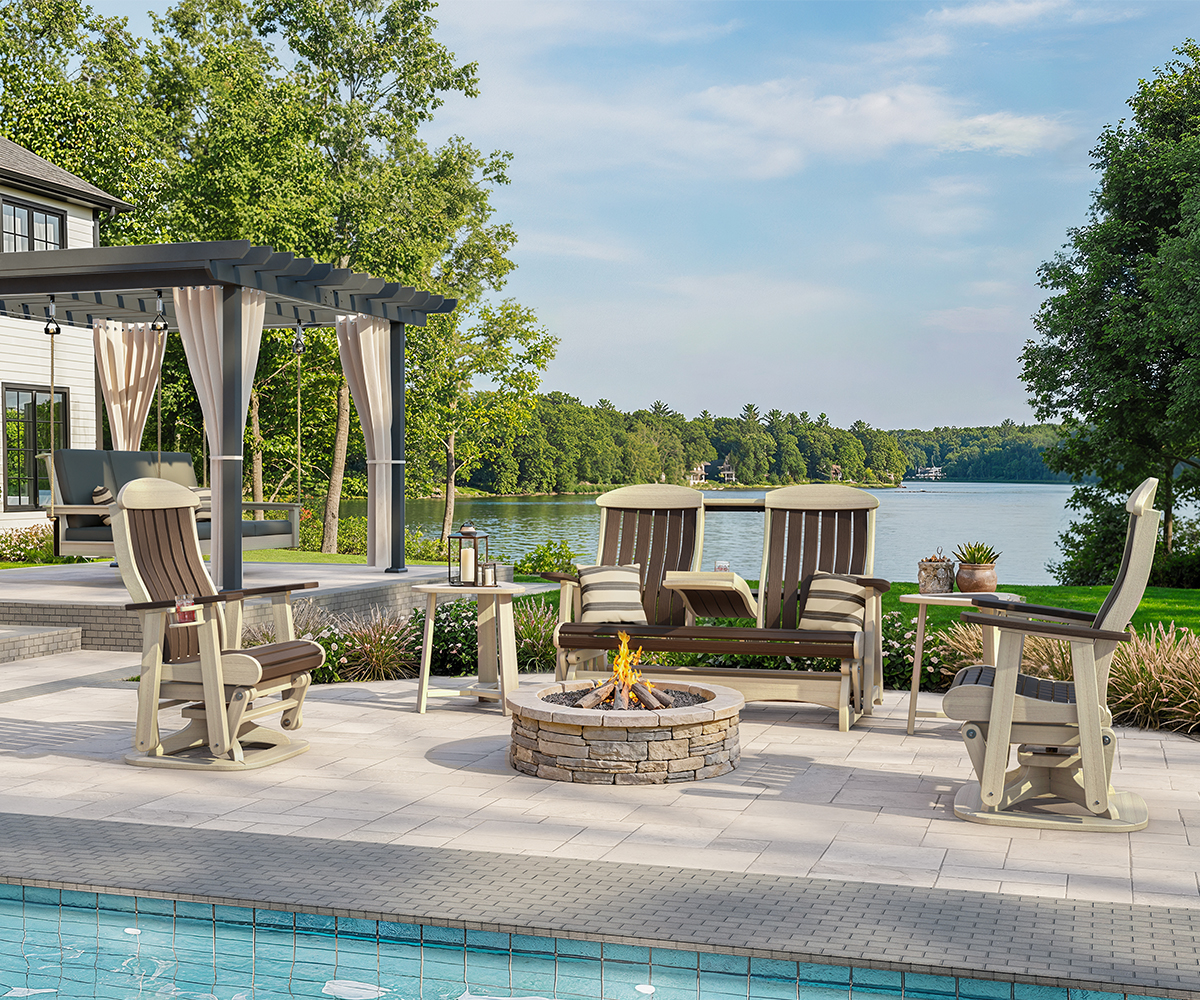
Wood and poly outdoor furniture serve different needs for Iowa outdoor spaces. Poly holds up to sun, rain, snow, and temperature changes with minimal attention. Its shape and color stay consistent, so it’s ideal for low-maintenance setups.
In comparison, wood brings natural warmth to your outdoor space, and its grain patterns give each piece a unique look. However, it requires regular cleaning, sealing, and occasional refinishing to withstand different weather conditions.
So, which should you choose? It comes down to your priorities. Go for poly for lasting durability, but if you want timeless beauty, wood furniture is your pick.