
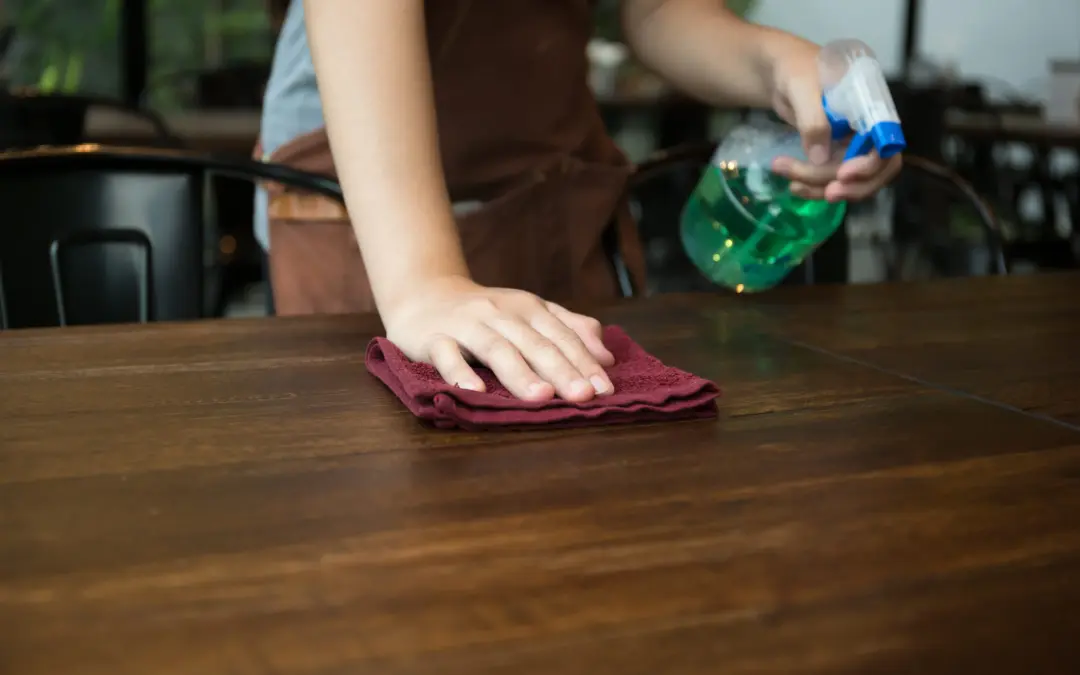
Most furniture doesn’t last. It chips, warps, or falls apart within a few years.
Solid wood furniture—especially Amish-built pieces—is different. It’s designed to last for decades. But that only happens if it’s cared for properly.
The good news? Amish Furniture care isn’t complicated. You just need to understand how it behaves and avoid the everyday habits that could cause long-term damage. In this blog, we will cover how to keep your furniture looking new.
Why Amish Furniture Requires Different Care
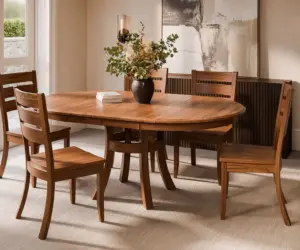
A pressed-wood panel and a solid hardwood table are not even close to the same thing, and honestly, they shouldn’t be treated like they are. Wood furniture breathes.
In Iowa’s humid summers, handcrafted natural wood pulls moisture from the air and swells slightly. Come winter, when the air dries out, it releases that moisture and contracts. It’s not a defect. It’s just what natural wood does when the seasons change.
Factory furniture gets sealed up tight and mostly ignores all of that. Amish pieces don’t work that way. Unlike factory coatings, hand-applied finishes complement the natural behavior of wood, helping it age with depth and character, which is exactly why the care routine is a little different. Treating solid hardwood like a veneer table will cause damage long before it should.
Daily and Weekly Cleaning Basics
True care for wood furniture doesn’t come from a single habit; it’s in the small, steady gestures we tend to skip, yet they shape its beauty for decades. Let’s find out how to care for solid furniture to ensure longevity.
Dusting the Right Way
Skip the feather duster. A soft microfiber or cotton cloth is what you want, and always move it with the grain of the wood, not against it.
Dry dusting lifts the fine particles that settle into the surface over time. If these fine particles are left too long, they work like sandpaper every time someone runs their hand across the table.
What to Avoid When Cleaning
Paper towels may seem harmless, but they leave micro-scratches on finished wood. Generic household cleaners are worse, stripping finishes that took a craftsman hours to apply.
Silicone-based sprays are the sneaky ones. They look great at first, but then leave a waxy buildup that clouds the surface and makes it almost impossible to polish hardwood furniture properly over time.
Quick Weekly Routine
For a quick weekly refresh, dust along the grain, dab any spots with a slightly damp cloth, and give the surface a once-over for water rings, dry patches, or sneaky new scratches. In just five minutes, you can keep a table looking as fresh as the day it arrived, rather than showing every year of wear.
How to Clean Wood Furniture Without Damaging It

When it’s time for more than a dust-off, the approach matters more than the product.
Safe Cleaning Solution
A few drops of mild dish soap in warm water on a barely damp cloth is all you need. Wipe the surface, then immediately dry it with a clean cloth. The keyword is “immediately.” Letting moisture sit on solid wood, even briefly, invites water rings.
Handling Spills
When a spill happens, resist the urge to wipe it across the surface. Wiping pushes the liquid further into the grain, spreading the damage. You only have to lightly pat it dry. A clean cloth pressed firmly against the spill lifts it. The faster you move, the better your odds of leaving zero evidence behind.
Dealing with Sticky Residue
Don’t underestimate a simple vinegar-and-water solution. It tackles sticky residue without harming the finish. Use it sparingly, follow immediately with a clean, damp cloth, and dry the surface right away. It’s not for daily cleaning, just for those occasional sticky situations that need a gentle touch.
Protecting the Finish

Cleaning keeps a piece looking good today. Protection is what keeps it looking good in ten years.
Use Coasters, Placemats, and Pads
Heat and moisture are the two biggest threats to a wood finish, and the dining table takes more of both than any other piece in the house.
A coaster costs almost nothing. Refinishing a tabletop costs considerably more. Good furniture care in humidity starts with blocking moisture at the source before it ever touches the wood.
Avoid Direct Sunlight
Keep your furniture out of direct sunlight whenever you can. UV rays aren’t just harsh; they slowly fade and unevenly color your wood over time. A simple trick? Rotate décor and accessories every so often to avoid ‘shadow aging’ and keep your pieces looking vibrant for years.
Keep Away from Heat Sources
Keep your solid wood furniture away from radiators, vents, and fireplaces; they suck moisture out faster than anything else in the house.
The result?
Drying, cracks, and sometimes warping that only a pro can fix. If your table or chair has to sit near a heat source, a little humidifier nearby can save the day.
Controlling Humidity

Of all the things that affect solid wood, humidity is the one people ignore until something goes wrong. Wood expands when air is humid and contracts when it dries out.
In Iowa, that cycle happens twice a year. Keep indoor humidity between 35% and 50% to keep your furniture stable. If the humidity drops below 35%, hairline cracks appear along the grain, and if it goes above 50%, the drawers stick, joints loosen, and surfaces warp.
Simple Fixes
- Winter: Run a humidifier to keep the air from drying out your wood.
- Summer: Use a dehumidifier or air conditioning to prevent swelling and warping.
- Year-round: Keep furniture away from vents and drafty windows to avoid sudden temperature and moisture changes.
Polishing and Conditioning: When and How

More people over-polish than under-polish when it comes to polishing hardwood furniture. Here’s how to get it right.
Do You Even Need Polish?
Probably less than you think. Most modern finishes on Amish furniture already provide protection. Adding polish too often doesn’t help. It layers up, clouds the surface, and leaves you with a tacky film that dulls the very grain you’re trying to show off.
When to Polish
When the wood looks dull or feels dry to the touch, that’s your cue. For most pieces in a normal home, that means every few months at most, but definitely not every week.
What to Use
A high-quality, non-silicone polish is the move. Silicone builds up over time, making future refinishing a nightmare. For pieces with an oil or wax finish, a light application of paste wax occasionally is all it needs.
How to Handle Scratches, Dents, and Minor Damage
Most surface damage looks worse than it actually is. Here are some quick fixes.
Light Surface Scratches
A touch-up marker or wax stick matched to your wood tone handles most light scratches in minutes. Color-match carefully and work with the grain.
Small Dents
Press a damp cloth over the dent and briefly run a warm iron over it. The steam swells the wood fibers back up. Go slow.
When to Call a Professional
Deep gouges, finish damage, and anything structural are best handled by a professional. Solid wood can almost always be restored, but not always by you.
Long-Term Maintenance Tips for Heirloom Furniture
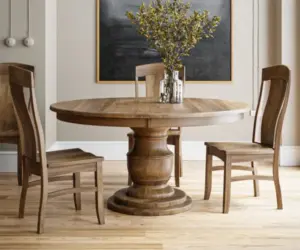
Knowing how to care for wood furniture long-term is less about big interventions and more about small, consistent habits.
- Rotate décor and objects on surfaces so the wood ages evenly underneath.
- Check and tighten hardware on chairs and tables every few months before wobbles become bigger problems.
- Reapply a protective finish when the surface starts to look worn, rather than waiting until damage sets in.
- Keep the manufacturer’s care guide somewhere you’ll actually find it.
When to Refinish or Restore Amish Furniture
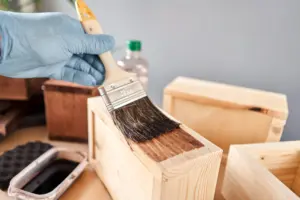
Faded finish, deep scratches, and surface wear are all signs a piece needs more than routine care. Refinishing solid wood almost always costs less than replacing it, and a professional will restore it without compromising the grain or structure underneath.
Final Thoughts: Simple Habits, Long Lifespan

Dust regularly, clean gently, and keep heat, moisture, and direct sunlight away from the surface. That’s genuinely most of it. You don’t need to obsess over every scratch or rearrange your routine around a polishing schedule. Just be consistent.
The pieces that get passed down aren’t the ones locked away and never touched. They’re the ones that were used, loved, and looked after.
That’s exactly what Oak Creek Furniture is built for. Ready to invest in furniture that rewards you for decades? Contact us today or explore our collection of Amish furniture to find the piece you’ll want to keep.